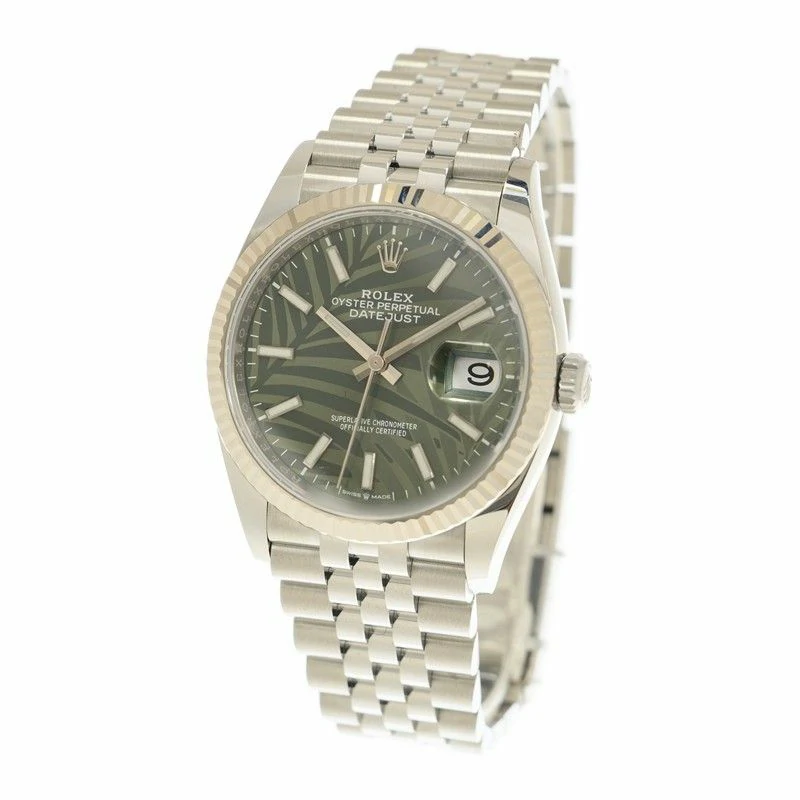
Rolex Jubilee Gold Is More Interesting Than the Diamonds Around It
law Day-Date Rolex

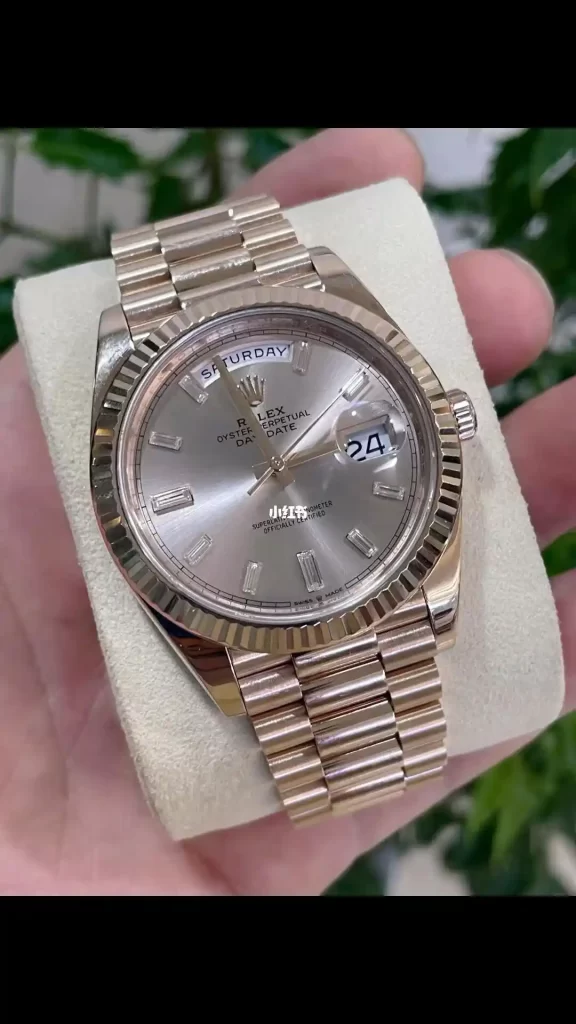
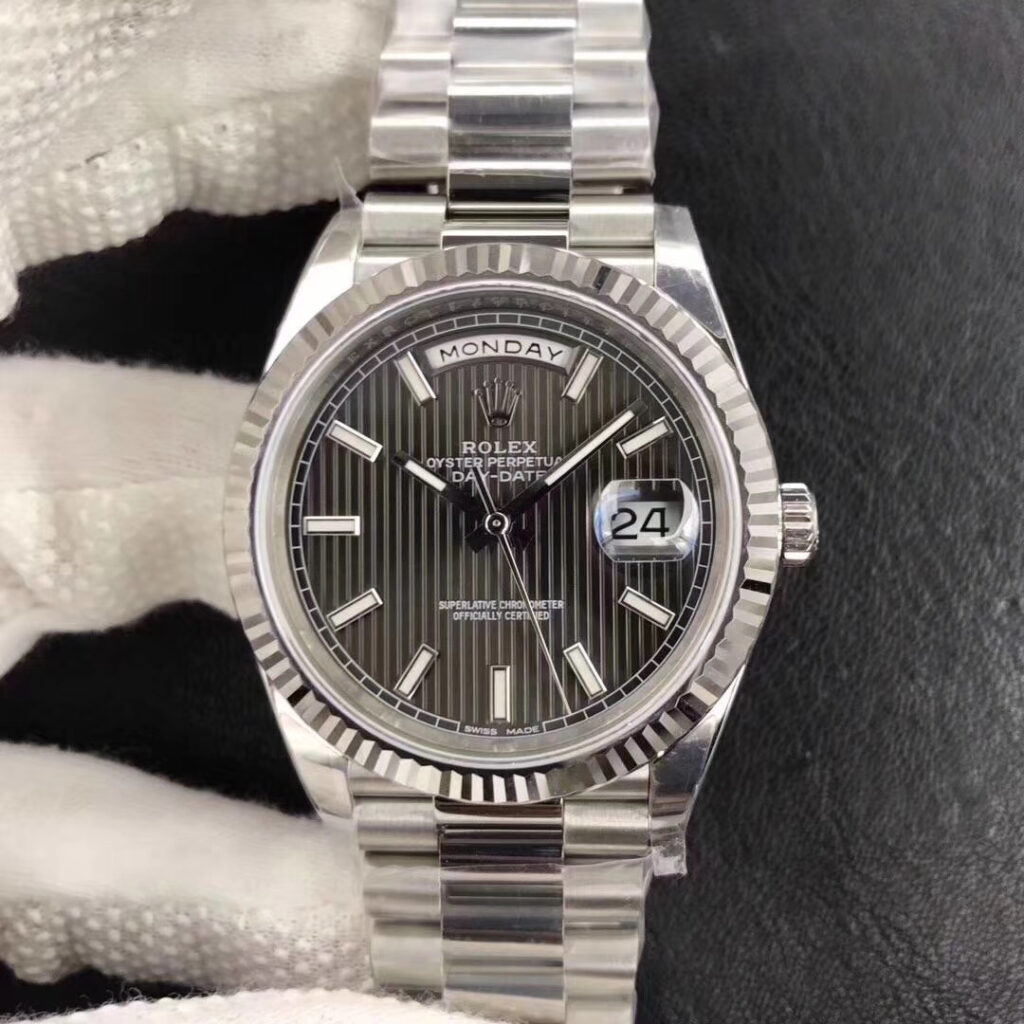
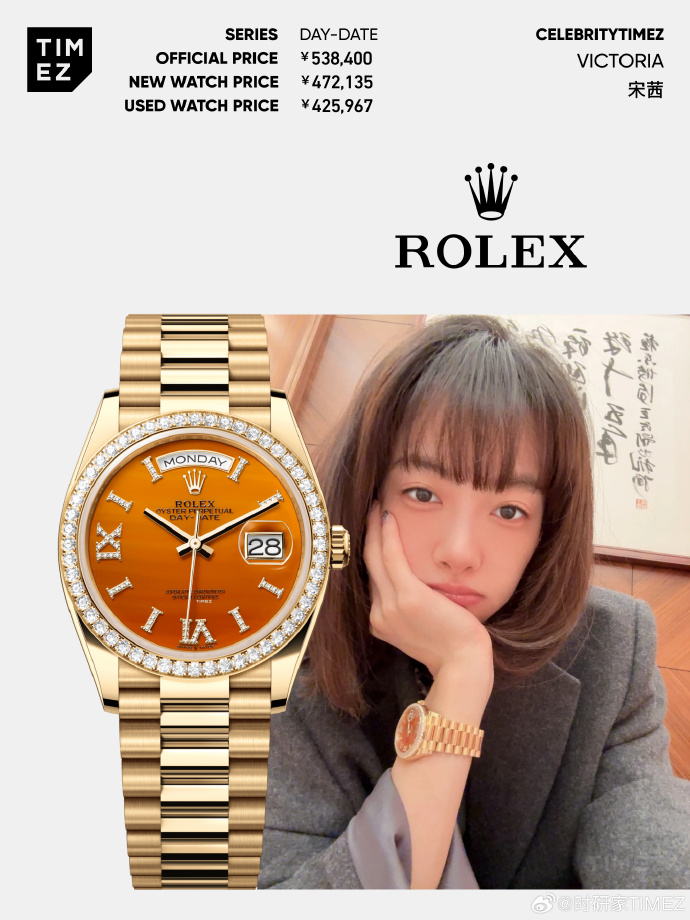
The diamonds are the easiest part of the new Rolex Day-Date 40 to notice.

Ten baguette-cut stones replace conventional hour markers. The dial is cut from light green aventurine rather than painted brass. A fluted bezel, polished center links, and a full precious-metal President bracelet leave little doubt that this is jewelry as much as a wristwatch.

Yet none of those details is the most consequential part of reference 228235JG.

The case and bracelet are.

For 2026, Rolex has created an entirely new 18 kt gold alloy called Jubilee Gold. It sits somewhere outside the familiar visual categories established by the company’s yellow gold, white gold, and Everose gold, combining what Rolex describes as tender yellow, warm grey, and soft pink tones.

That makes this Day-Date more than another expensive stone-dial variation.

Rolex is attempting something unusually difficult in luxury watch design: creating a new precious-metal color distinctive enough to deserve its own identity, yet restrained enough to remain unmistakably Rolex.

Whether Jubilee Gold succeeds will depend less on what it looks like in Rolex’s photographs than on how collectors learn to recognize it on the wrist.
Rolex Already Had Enough Gold

From a purely functional perspective, Rolex did not need Jubilee Gold.

Yellow gold supplies the traditional version of luxury. White gold provides precious-metal value without the obvious yellow appearance. Everose gives Rolex a proprietary rose-gold identity and was specifically developed to preserve its color over time.

Between those three, almost every conventional gold-watch preference was already covered.

Creating another alloy therefore only makes sense if Rolex believes there is meaningful visual territory between them.

That territory appears to be subtle.

Jubilee Gold is not supposed to look dramatically different in the way white gold differs from yellow gold. Rolex describes a softer mixture of yellow, grey, and pink reflections, and hands-on photographs suggest that its appearance changes noticeably with lighting.

In some conditions it appears close to pale yellow gold.

Elsewhere, the pink becomes easier to see.

Under softer light, the grey component can make the metal look less saturated than traditional yellow gold.

That variability may be the entire point.

Gold Color Is a Technical Decision Before It Becomes an Aesthetic One

Pure gold is too soft for the demands of a modern wristwatch, so 18 kt watch cases use gold combined with other metals.

Changing those ingredients changes more than hardness.

It changes color.

That is why “gold” is not one visual material. The final tone depends on the composition of the alloy as well as surface finishing and the light falling across it.

Rolex has considerable control over this process because it operates its own foundry and produces its gold alloys internally. Jubilee Gold is therefore not simply a plating treatment or a finishing technique applied to an existing case material. Rolex identifies it as a new 18 kt alloy conceived, developed, and produced in its own workshops.

That distinction matters.

A dial can be replaced in a future generation.

A bezel can change.

A new metal requires a much deeper manufacturing commitment.

The Real Test Is Whether You Can Recognize It Without Being Told

Luxury brands are very good at naming colors.

Collectors should be more demanding.

For Jubilee Gold to become meaningful, it eventually needs to develop a recognizable visual identity of its own. If most people looking at the watch simply see ordinary yellow gold, then the technical accomplishment may be real while the design distinction remains weak.

Everose provides the obvious comparison.

A collector does not need a metallurgy lesson every time an Everose Rolex appears. The warm rose tone has become part of the brand’s visual vocabulary.

Jubilee Gold does not yet have that advantage.

Owners are still learning what it looks like.

That makes early photographs unusually unreliable evidence.

White balance, phone processing, ambient lighting, reflections, and surrounding colors can all move a pale gold alloy toward yellow, pink, or grey on a screen.

This may be one of those Rolexes where seeing the watch in person is not merely preferable.

It may be necessary to understand the main feature.

The Aventurine Dial Is Doing More Than Adding Decoration

Rolex could have introduced Jubilee Gold with a conventional black, champagne, or silver dial.

Instead, it paired the new metal with light green aventurine.

That choice helps explain what Rolex is trying to achieve.

Aventurine is a natural stone in the quartz family. The material used here has a pale green base, stronger green areas, delicate veining, and natural variation. Rolex then adds ten baguette-cut diamond hour markers.

The result is visually complicated even though the Day-Date layout itself is familiar.

The dial changes.

The metal changes.

The diamonds react to light.

The fluted bezel reacts to light.

The polished President center links react to light.

A static product image can therefore make the watch look more uniform than it actually is.

This is not a design whose appearance is controlled entirely by color codes.

It is controlled by reflections.

Natural Stone Introduces Something Rolex Normally Tries to Eliminate

Rolex has spent decades building a reputation around consistency.

Case dimensions are controlled. Movements are tested. Components are manufactured to tight tolerances. Modern Rolex production is built around repeatability.
Natural stone introduces the opposite characteristic.

Variation.

Two pieces of aventurine can belong to the same material family without having identical veining, color distribution, or internal character.

That means two examples of reference 228235JG should be recognizably the same watch while their dials can still have small natural differences.

For some buyers, that is an advantage.

The watch becomes slightly less industrial.

For others, it creates another reason to avoid buying purely from a reference number. If dial character matters, the actual example matters too.

That is a different buying process from ordering a conventional black-dial Day-Date and reasonably expecting every example to look nearly identical.

Diamonds Change the Watch More Than Their Size Suggests

The ten baguette diamonds are relatively restrained by gem-set Rolex standards.

There is no diamond bezel here. The case and President bracelet are not covered in stones. The familiar fluted bezel remains intact.

But removing conventional hour markers changes how the dial reads.

Baguette diamonds do not provide the same visual information as simple baton markers. They reflect surrounding light and can become more or less prominent depending on angle, which pushes the watch slightly away from pure legibility and toward jewelry.

That tradeoff is intentional.

A Day-Date has never been a professional instrument in the Submariner sense. It can therefore tolerate decorative decisions that would feel less natural on a dive watch.

The question is not whether the diamonds make the watch more luxurious.

They obviously do.

The better question is whether the dial needed them.

Some Collectors Already Wish Rolex Had Left Them Out

Early enthusiast reaction makes that question worth asking.

In one Rolex discussion devoted specifically to the Jubilee Gold aventurine Day-Date, a commenter praised the dial but immediately wished for conventional stick markers instead of diamonds. Another called it one of the prettiest dials Rolex has produced while assuming the watch would be extraordinarily difficult to obtain.

That is not enough evidence to declare a community consensus.

It is useful evidence of a design tension.

There may be buyers who love the combination of Jubilee Gold and green aventurine but do not want the additional jewelry signal created by baguette diamonds.

For those buyers, the diamonds are not added value.

They are the compromise required to get the dial and metal they want.

That is a much more interesting problem than simply describing the stones as luxurious.

A Stone Dial Without Diamonds Would Be a Very Different Rolex

Imagine the same watch with plain gold baton markers.

The light green aventurine would become the dominant decorative feature, while Jubilee Gold would provide warmth around it. The watch would still be expensive and unmistakably precious, but the visual emphasis would shift from jewelry toward material.

Rolex chose the opposite direction.

The diamonds make it clear that this Day-Date is not trying to hide its position in the hierarchy.

That choice also helps separate it from the increasingly colorful Datejust and Oyster Perpetual families. Rolex can experiment with dial materials elsewhere, but the Day-Date still has to communicate why it occupies a different place in the catalog.

Precious metal alone may no longer be enough to do that.

The President Bracelet May Be Where Jubilee Gold Makes the Strongest Argument

A bezel gives you a narrow ring of metal.

A case provides relatively small surfaces interrupted by the dial, crown, and bracelet.

The President bracelet gives Jubilee Gold room to explain itself.

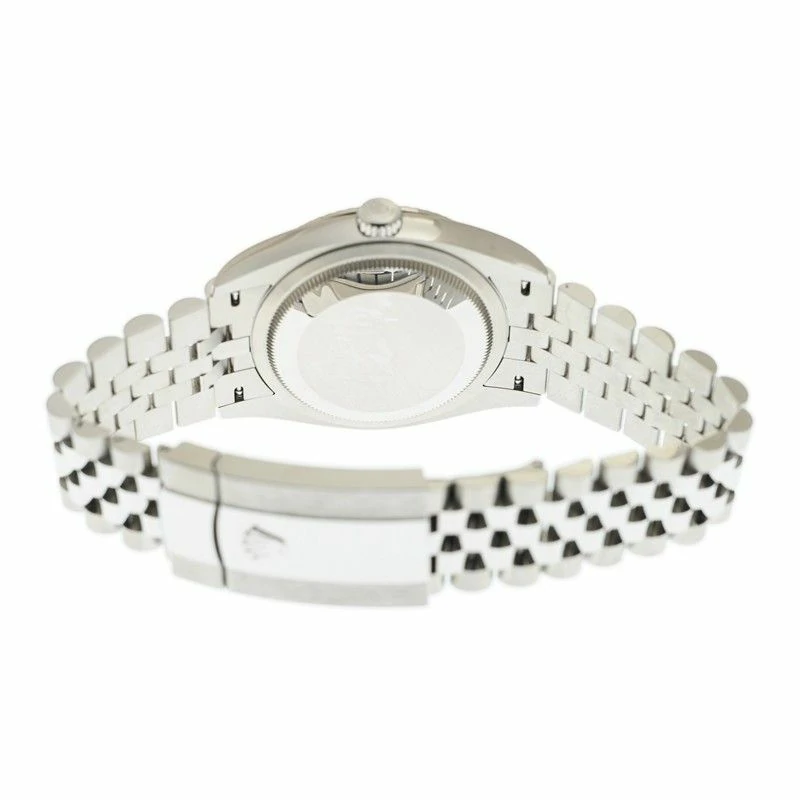
Its three-piece semicircular links alternate between brushed and polished surfaces, meaning the same alloy is repeatedly exposed to different angles and reflections as the wrist moves.

This should make the subtle mixture of yellow, grey, and pink easier to perceive than it would be on a watch where the new alloy appeared only on the case.

Rolex also uses ceramic inserts inside the bracelet links to reduce premature wear and maintain flexibility.

That technical detail is easy to overlook next to aventurine and diamonds, but it matters more after years of ownership.

A bracelet this expensive is not merely decoration.

It is a mechanical component that articulates thousands of times while supporting the entire watch.

The Day-Date Is the Logical Place to Introduce a New Gold

Rolex could theoretically have introduced Jubilee Gold on several models.

The Day-Date makes the most sense.

Since its introduction in 1956, the Day-Date has been made exclusively in precious metals. Its President bracelet is itself strongly associated with gold and platinum, and the model has long served as one of Rolex’s main platforms for unusual dials, stones, gemstones, and decorative configurations.

A new gold alloy therefore does not have to fight the identity of the watch.

Put Jubilee Gold on a Submariner and the material would immediately become part of a debate about whether a professional dive watch needs another precious-metal interpretation.

On the Day-Date, precious metal is fundamental rather than contradictory.

The model permits Rolex to make metallurgy part of the design.

Jubilee Gold Also Changes the Meaning of “Two-Tone”

The interesting comparison is not limited to other Day-Dates.

Rolex now has several ways of creating warmth across its catalog.

Traditional yellow Rolesor contrasts yellow gold with Oystersteel.

Everose Rolesor introduces a pinker precious-metal accent.

Full yellow gold makes the entire object visually warmer.

Everose shifts that warmth toward copper and rose.

Jubilee Gold seems designed to occupy a less obvious position, providing precious-metal warmth without the saturation of traditional yellow gold or the stronger pink identity of Everose.

If collectors respond to it, Rolex gains another design variable.

That matters because alloy color can be reused across cases, bracelets, bezels, and potentially future references without inventing an entirely new watch architecture.

The Day-Date may therefore be the introduction rather than the final destination.

That last possibility remains speculation, however. Rolex replica has not announced a broader Jubilee Gold rollout, so the existence of this watch should not be treated as evidence that Submariners, GMT-Masters, or Datejusts in the alloy are coming next.

The Price Is High, but the Comparison Is More Interesting Than the Number

Rolex lists the Jubilee Gold Day-Date 40 with aventurine dial at $65,700 in the United States.

That is expensive even by ordinary luxury-watch standards.

Within the Day-Date family, however, the number requires context.

A conventional Day-Date is already a full precious-metal watch with a complex calendar display and President bracelet. Gem-set versions can move considerably higher, particularly once diamond bezels and more elaborate settings are introduced.

The Jubilee Gold model therefore should not be evaluated as though Rolex took a steel watch and charged $65,700 because the dial turned green.

The buyer is paying for a full 18 kt proprietary-alloy case and bracelet, a natural-stone dial, baguette diamond markers, and the Day-Date platform itself.
That explains the ingredients.

It does not automatically establish value.

Value depends on whether Jubilee Gold and the aventurine dial create enough additional appeal to justify choosing this configuration over another Day-Date at a similar price.

The Movement Is Almost Irrelevant to the Buying Decision

Inside is calibre 3255.

It provides the familiar modern Day-Date package: automatic winding, instantaneous day and date displays, approximately 70 hours of power reserve, stop-seconds, Parachrom hairspring, Paraflex shock absorbers, and Rolex’s Superlative Chronometer standard.

These specifications matter.

They are also unlikely to decide the purchase.

Someone comparing this Jubilee Gold watch with another current Day-Date is not choosing between fundamentally different movement architectures.

The mechanical foundation is largely constant.

The meaningful variables are external.

Metal.

Dial.

Gem setting.

Color.

Rarity.

Availability.

Price.

That makes the 228235JG unusually close to jewelry in the traditional sense: material selection becomes the primary reason one example is preferable to another.

Calling It a “Jewelry Watch” Is Not an Insult

Enthusiasts sometimes use “jewelry watch” as though it means a watch has become less serious.

That distinction makes little sense here.

The Day-Date has always combined watchmaking and precious materials. Rolex’s technical competence does not disappear because diamonds are installed on the dial, just as calibre 3255 does not become more sophisticated because the dial is black instead of aventurine.

The Jubilee Gold model simply moves the balance further toward material expression.

Understanding that helps evaluate it fairly.

A buyer looking primarily for maximum horological complexity per dollar will find countless alternatives.

A buyer interested in the intersection of Rolex manufacturing, proprietary metallurgy, natural material, and an established watch design is evaluating something different.

The watch does not need to pretend otherwise.

Availability May Matter More Than Retail Price

Early owner discussion suggests Jubilee Gold Day-Dates may be distributed very selectively.

One Reddit participant reported being allowed to submit an application for the aventurine version and said their authorized dealer expected extremely limited Jubilee Gold allocation during 2026, potentially requiring approval beyond the local retailer.

That is one buyer’s report, not an official Rolex allocation policy.

It should therefore not be converted into a universal claim that every dealer receives one watch or that Geneva personally approves every purchase.

What it does show is how buyers are already encountering the model: not simply as an expensive Day-Date sitting in a display case, but as a watch whose availability may itself become part of its identity.

That creates another danger.

Scarcity can make people want a configuration they would not have chosen if it were readily available.

The Scarcity Test Is Simple

Imagine that every Rolex authorized dealer had this Day-Date sitting in the window tomorrow.

No application.

No allocation story.

No social-media rarity.

No assumption that it will trade above retail.

Would you still choose the light green aventurine and Jubilee Gold combination over a conventional yellow-gold, Everose, or platinum Day-Date?

If yes, the design is doing its job.

If no, scarcity may be doing too much of the work.

This is especially important with expensive decorative watches because rarity can distort aesthetic judgment. Once an object becomes difficult to obtain, access itself begins to feel like a feature.

It is not.

Access affects the buying experience.

It does not change the dial.

The Aventurine Dial Creates Another Reason to See the Exact Watch

There is a second practical test.

Do not merely ask to see “the Jubilee Gold Day-Date.”

Look at the actual dial.

Natural stone means individual examples can differ. The strength and distribution of green, the visible veining, and the way the surface interacts with the diamond markers may change the character of the watch enough to influence preference.

This is particularly relevant at $65,700.

A buyer should not assume that liking Rolex’s official photograph means every aventurine dial will produce precisely the same visual effect.

Natural variation is part of the material.

For the right buyer, that makes the watch more personal.

For someone who values perfect uniformity, it may do the opposite.

The Most Important Question Has Nothing to Do With Diamonds

The diamonds are easy to market.

Aventurine is easy to photograph.

The price is easy to headline.

Jubilee Gold is harder to explain because its difference is deliberately subtle.

That is exactly why it deserves more attention.

Rolex already knows how to make a yellow-gold Day-Date. It already knows how to make Everose. It already knows how to set diamonds and cut stone dials.

The genuinely new proposition is that the color of the metal itself can occupy another carefully controlled position between familiar categories.

Whether collectors eventually recognize Jubilee Gold from across a room remains unknown.

Whether the alloy will expand into other Rolex families is unknown.

Whether its rarity in 2026 becomes meaningful long-term collectibility is equally uncertain.

Those questions should remain open.

What can be said now is that reference 228235JG makes a surprisingly serious argument about an element of watch design that is usually taken for granted.

Gold does not have to be simply gold.

Its color can be engineered.

And on this Day-Date, that engineered color may ultimately matter more than all ten diamonds surrounding the dial.
Which Rolex Watches Are Best for Men in 2026?

Rolex Watches for Men

Why Rolex Continues to Define Luxury Watches

Few watchmakers enjoy the global recognition of Rolex. Whether you’re just beginning to explore mechanical watches or planning your first luxury purchase, Rolex is usually one of the first brands you’ll encounter—and for good reason.

Founded in 1905, Rolex has spent more than a century building a reputation for precision, durability, and timeless design. Many of the features now considered standard in modern luxury watches, including water-resistant cases, automatic winding movements, and practical date displays, were either pioneered or significantly advanced by the company.

For beginners, however, Rolex can also be confusing. The catalog includes numerous collections that often appear similar at first glance, availability is limited for many popular models, and prices on the secondary market frequently exceed official retail prices.

This guide explains how Rolex is organized, what each major collection is designed for, and which models make the most sense depending on your interests and budget.

What Makes Rolex Different?

Rolex’s reputation is built on more than brand recognition. Several factors distinguish it from many other luxury watch manufacturers.

Engineering First

Rolex focuses on incremental improvements rather than frequent redesigns. Instead of introducing entirely new collections every year, the company continually refines existing models by improving movements, materials, bracelets, and manufacturing techniques.

This long-term approach allows many replica Rolex watches to remain visually recognizable across decades while benefiting from modern engineering.

Consistent Manufacturing Standards

Unlike many luxury brands that source numerous components externally, Rolex manufactures a large proportion of its movements, cases, bracelets, and dials in-house. Every watch undergoes extensive testing before receiving the company’s Superlative Chronometer certification, which guarantees performance beyond standard Swiss chronometer requirements.

Strong Long-Term Value

While no luxury watch should be viewed as a guaranteed investment, many Rolex sports models have historically retained their value better than comparable watches from competing brands. Demand, however, varies significantly by reference, condition, production year, and market conditions.

Why Are Rolex Watches So Difficult to Buy?

One of the biggest surprises for first-time buyers is that having the money doesn’t necessarily mean you can immediately purchase the model you want.

Rolex produces hundreds of thousands of watches annually, yet demand for many popular references—including the Submariner, GMT-Master II, and Daytona—continues to exceed supply in many markets.

Most new watches are sold through authorized dealers (ADs), who receive limited inventory throughout the year. Highly sought-after references may involve waiting lists or customer allocation systems, although individual dealer policies vary.

As a result, many buyers turn to reputable secondary-market dealers, where availability is greater but prices often exceed the official retail price.

Understanding the Major Rolex Collections

Rather than introducing countless new models, Rolex builds its catalog around a relatively small number of collections, each serving a distinct purpose.

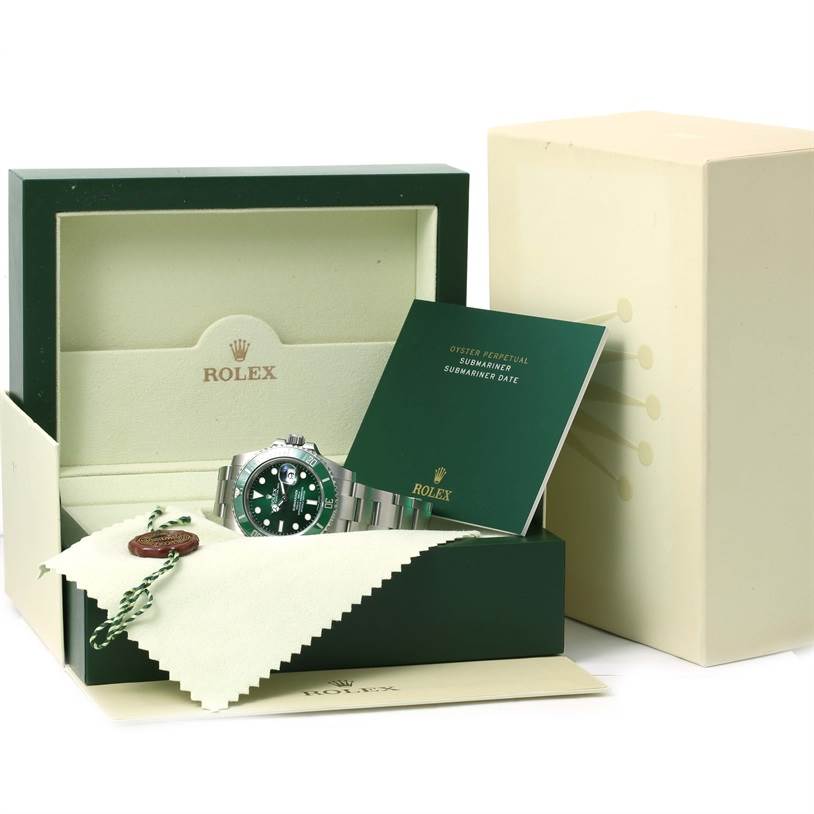
Submariner: The Iconic Dive Watch

For many enthusiasts, the Submariner represents the quintessential luxury sports watch.

Introduced in 1953, it helped establish the modern dive watch standard with its rotating timing bezel, highly legible dial, and robust Oyster case. Today’s models are water-resistant to 300 meters and remain equally comfortable underwater or in everyday office wear.

The Submariner is often recommended as a first Rolex because of its versatility, timeless design, and broad market appeal.

GMT-Master II: Built for Travelers

Originally developed for airline pilots, the GMT-Master allows the wearer to track multiple time zones simultaneously.

Its most recognizable feature is the two-color 24-hour bezel, available in several popular color combinations that collectors have nicknamed “Pepsi,” “Batman,” and “Sprite.”

Frequent travelers appreciate the independently adjustable local hour hand, which makes changing time zones both quick and convenient.

Cosmograph Daytona: Rolex’s Legendary Chronograph

The Daytona has evolved into one of the world’s most desirable mechanical chronographs.

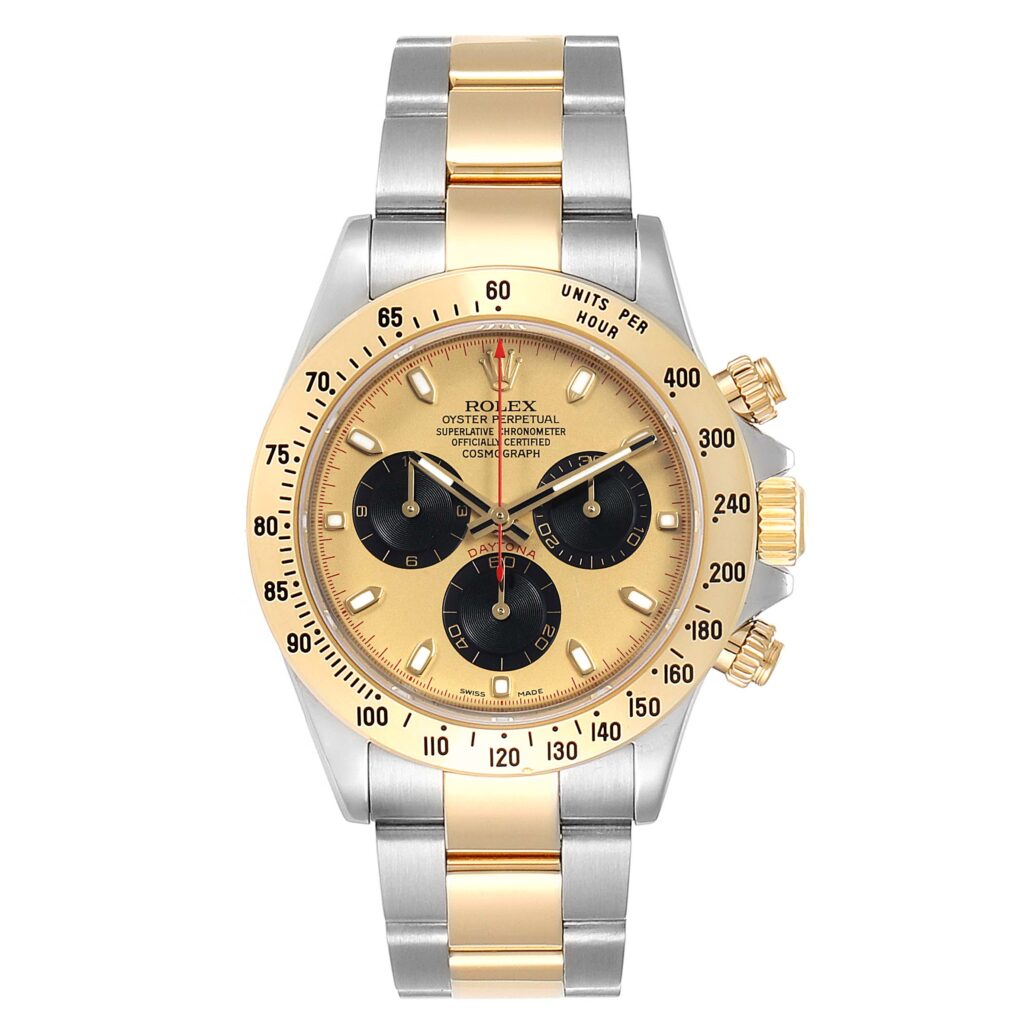
Originally designed for motorsport timing, today’s Daytona combines technical capability with exceptional collector demand. Vintage examples—particularly those associated with actor Paul Newman—have achieved record-breaking auction prices, further enhancing the model’s legendary status.

Because demand consistently exceeds supply, the Daytona is typically among the most difficult Rolex watches to purchase at retail.

Datejust: The Everyday Classic

If one model best represents traditional Rolex design, it is the Datejust.

First introduced in 1945, the Datejust pioneered the automatically changing date display and remains one of the brand’s most versatile watches.

Available in multiple case sizes, metals, dial colors, bracelets, and bezel styles, it can suit nearly every occasion—from business meetings to casual weekends.

Oyster Perpetual: The Purest Rolex

The Oyster Perpetual strips away additional complications to focus on timekeeping alone.

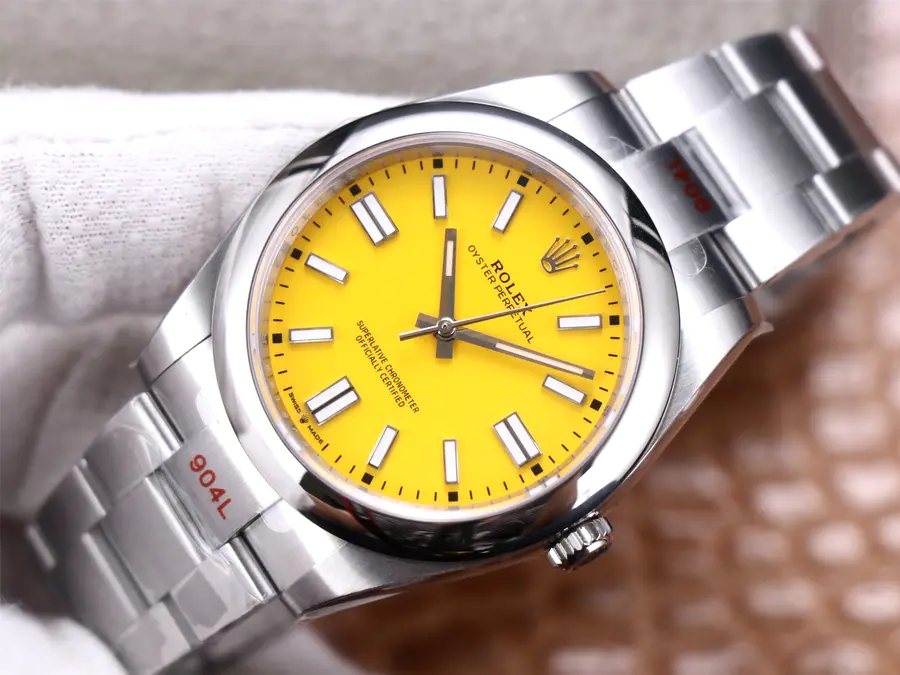
Its clean dial, automatic movement, and durable construction make it one of the most accessible entry points into Rolex ownership. Recent colorful dial options have also introduced a more playful side to the traditionally conservative brand.

For buyers seeking understated luxury, the Oyster Perpetual is often an excellent choice.

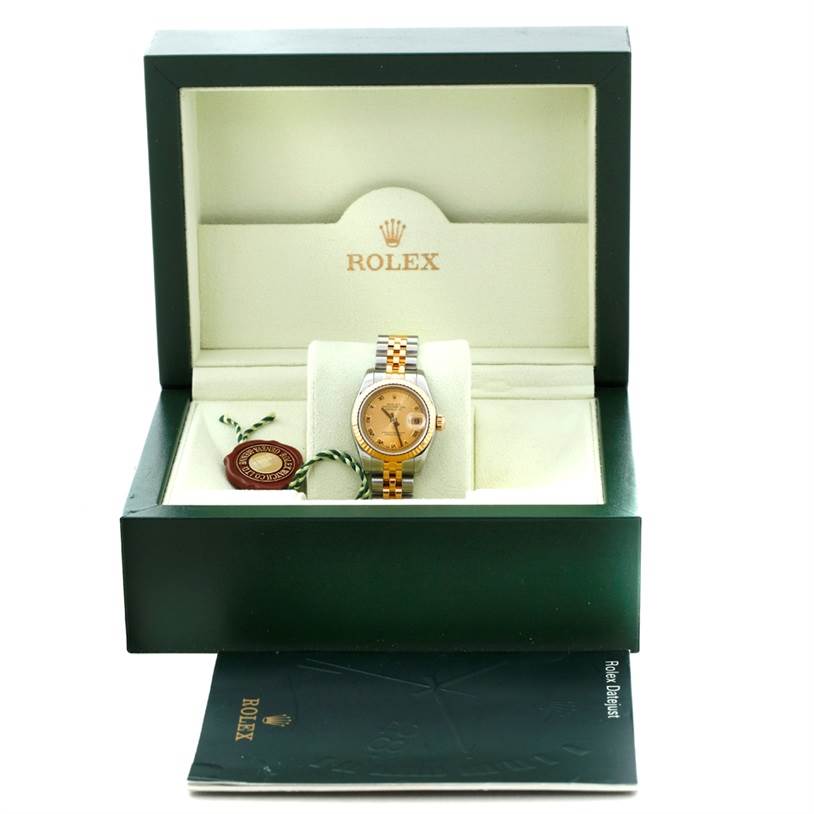
Day-Date: Rolex’s Flagship Dress Watch

Often referred to as the “President” because of its association with influential political and business figures, the Day-Date displays both the date and the day of the week written in full.

Unlike many other fake Rolex collections, every Day-Date is produced exclusively in precious metals, including gold or platinum, reinforcing its position as one of the company’s most prestigious models.

Explorer and Explorer II: Built for Adventure

The Explorer traces its heritage to the era of mid-20th-century mountaineering expeditions.

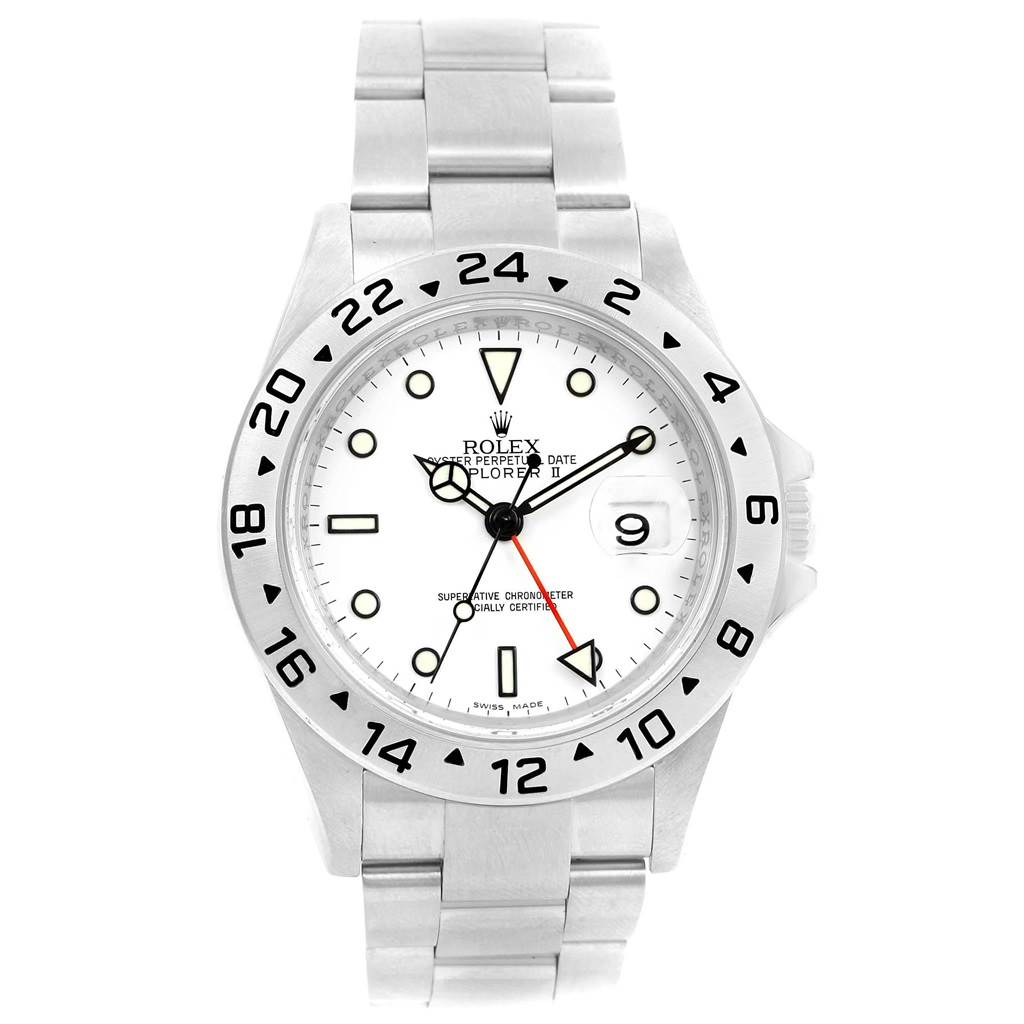
Its straightforward design prioritizes readability and durability over unnecessary complexity. The Explorer II adds a fixed 24-hour bezel and an additional GMT hand, making it particularly useful for travelers and those working in environments where distinguishing day from night can be difficult.

Sea-Dweller and Deepsea: Professional Diving Watches

While the Submariner satisfies the needs of recreational divers, the Sea-Dweller and Deepsea are engineered for professional underwater use.

Both feature significantly greater water resistance, thicker cases, and specialized engineering designed to withstand the immense pressures encountered during deep-sea diving.

Although few owners will ever test these capabilities, they demonstrate Rolex’s technical expertise.

Yacht-Master: Luxury Meets Sport

The Yacht-Master combines sporty functionality with a more refined appearance than many of Rolex’s tool watches.

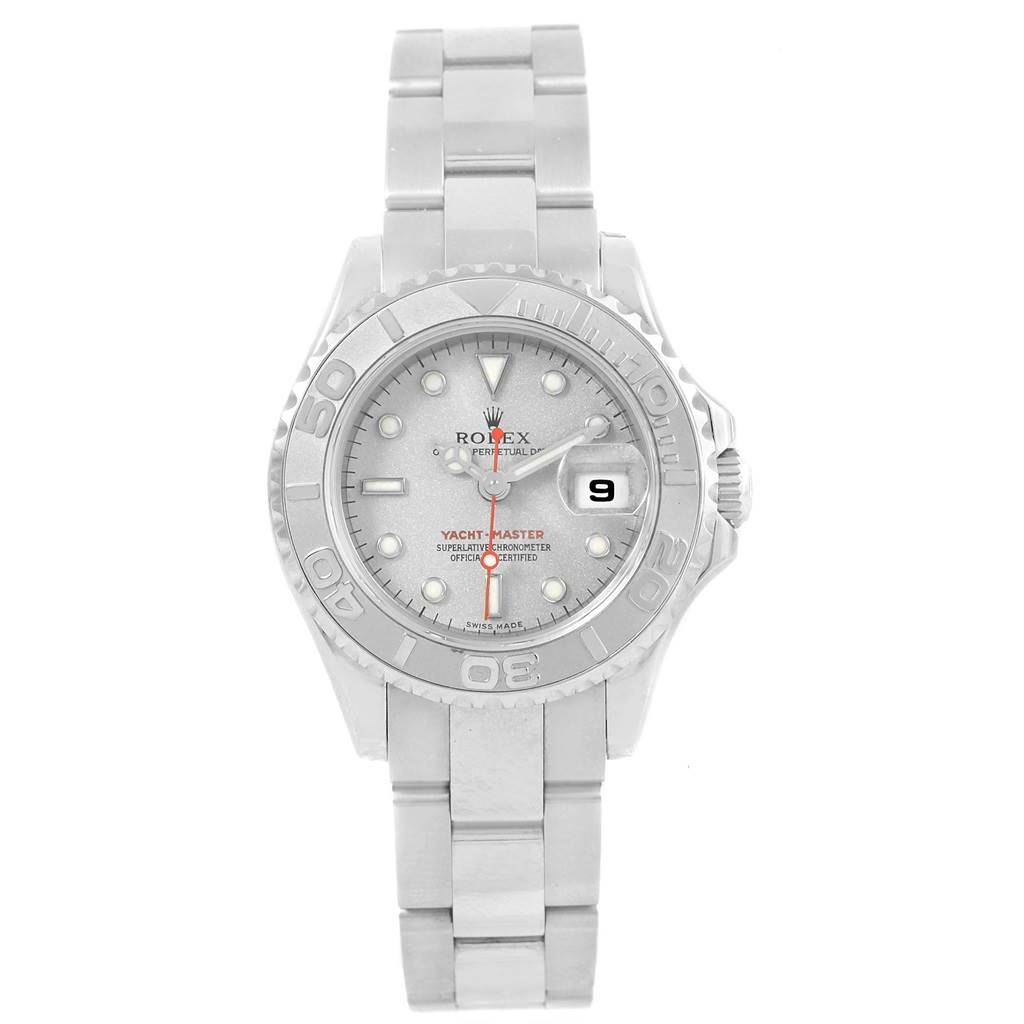
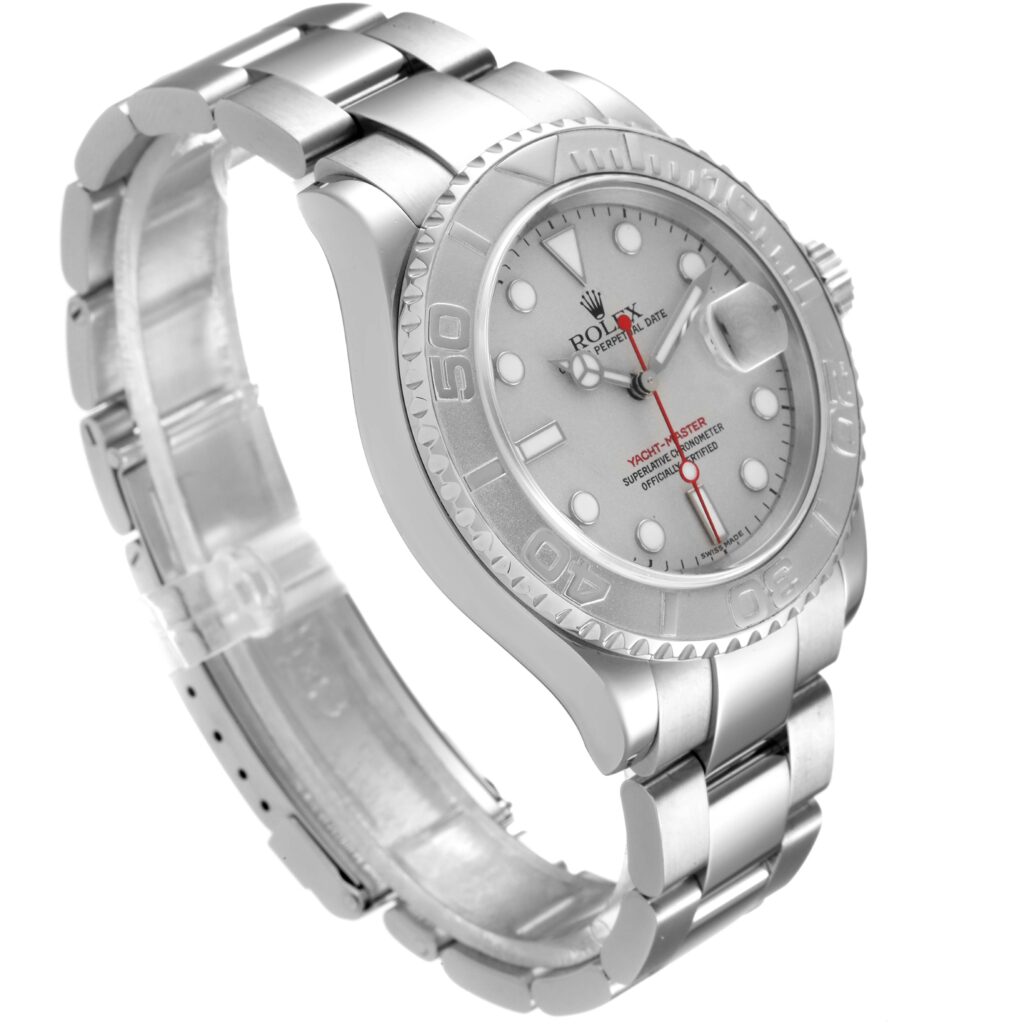
Depending on the reference, buyers can choose from precious metals, Rolesium (a combination of Oystersteel and platinum), or lightweight RLX titanium. The collection appeals to those seeking a versatile sports watch with a slightly more luxurious aesthetic.

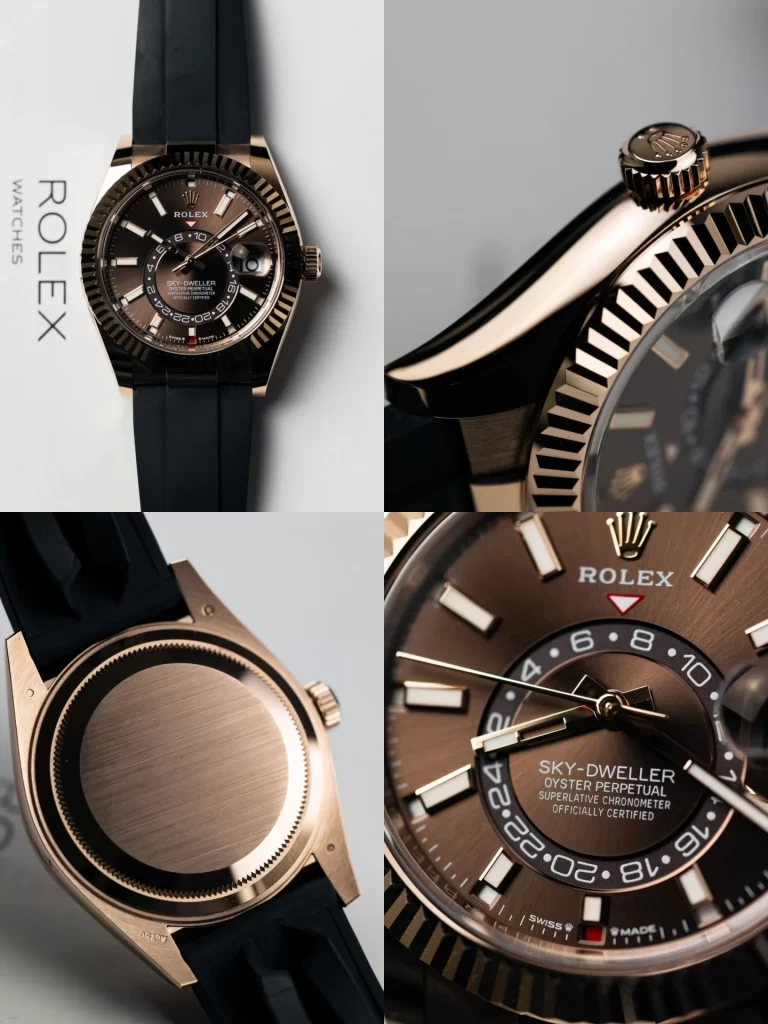
Sky-Dweller: Rolex’s Most Complex Current Watch

The Sky-Dweller is designed for frequent international travelers.

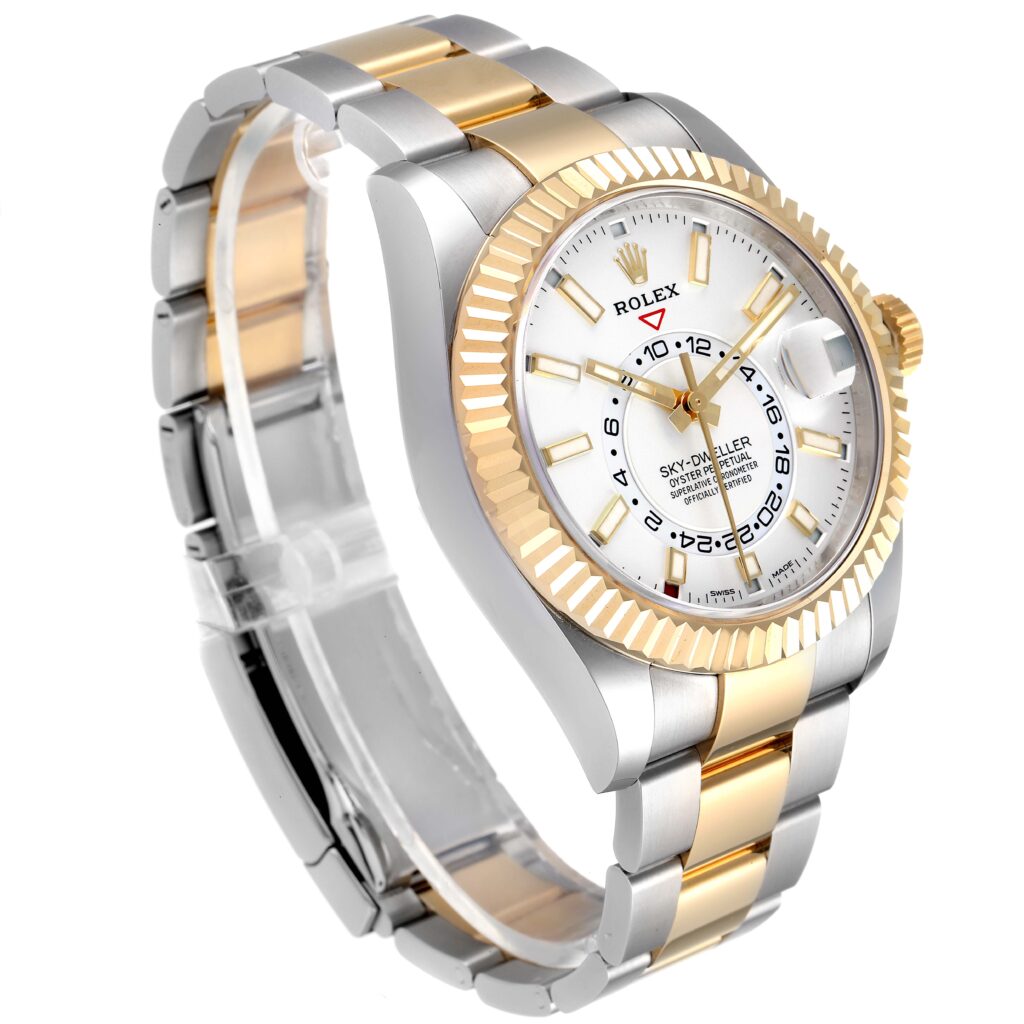
Its innovative annual calendar automatically distinguishes between 30- and 31-day months, while the dual-time display allows wearers to track home and local time simultaneously. Rolex’s Ring Command bezel integrates directly with the movement, creating one of the most intuitive methods of adjusting complex watch functions.

Air-King: Aviation Heritage

The Air-King offers a distinctive alternative within Rolex’s Professional collection.

Inspired by aviation, its dial emphasizes minute markings for navigation while maintaining the robust construction expected from modern Rolex sports watches. It is often chosen by buyers seeking something less common than the Submariner or GMT-Master II.

Rolex 1908: Modern Dress Watchmaking

Introduced as the successor to the Cellini collection, the 1908 reflects Rolex’s interpretation of traditional dress watches.

Slimmer than the company’s sports models and fitted with a leather strap, it emphasizes classical proportions, elegant finishing, and refined simplicity rather than rugged utility.

For collectors seeking a formal Rolex, the 1908 offers a distinctive alternative within the current lineup.

Should You Buy New or Pre-Owned?

The best buying route depends on your priorities.

Purchasing through an authorized dealer provides a factory warranty and guarantees authenticity at retail pricing. However, popular models may require patience.

The pre-owned market offers immediate availability and access to discontinued references, though prices can vary considerably. Buyers should work only with reputable dealers who provide authentication, service history when available, and transparent return policies.

Which Rolex Is Best for Beginners?

There is no single “best” Rolex, but several models consistently stand out for first-time buyers.

  • Best all-around: Submariner
  • Best everyday watch: Datejust
  • Best entry-level Rolex: Oyster Perpetual
  • Best for travelers: GMT-Master II
  • Best luxury dress watch: Day-Date
  • Best modern complication: Sky-Dweller

Ultimately, the right choice depends on your lifestyle, wrist size, design preferences, and budget rather than collector trends.

Rolex has earned its reputation through decades of engineering refinement, reliable performance, and consistent design rather than constant reinvention. Whether you’re attracted to the rugged practicality of the Submariner, the timeless versatility of the Datejust, or the technical sophistication of the Sky-Dweller, each collection reflects a different aspect of the brand’s philosophy.

For most first-time buyers, understanding how the collections differ is more valuable than chasing the latest hype. Taking the time to compare models, try them on in person, and purchase through reputable sources will make your first Rolex ownership experience far more rewarding than simply buying the most sought-after reference.

Top 10 Most Popular Rolex Models 2026

Rolex Models

For many people, it sits somewhere between an engineering benchmark and status symbol, though that oversimplifies it a bit. What keeps it relevant isn’t just marketing or exclusivity – it’s consistency. The design language evolves slowly, the technical upgrades are steady, and the core identity rarely drifts.

That combination is why certain models keep showing up again and again on “most popular” lists, even across decades of changing taste.

Why Rolex Models Remain So Popular
Rolex’s reputation didn’t appear overnight. It’s built on a few long-running ideas that the brand has refined rather than reinvented.

One of the most important is durability. Rolex cases are engineered around robustness first, not fragility. Materials like Oystersteel (a high-grade 904L stainless steel alloy) are used because they resist corrosion and take a polish well, even after years of wear in 2026. That’s not just theory – you’ll see vintage Rolex models still in daily rotation without looking “tired”.

Innovation plays a quieter but steady role. Rolex was early to waterproof wristwatches with the Oyster case in 1926, and later introduced the Perpetual self-winding rotor, which became a foundation for modern automatic watches. More recently, incremental improvements in movements – longer power reserves, better shock resistance, improved anti-magnetism – have kept the brand technically current without changing its identity.

There’s also design continuity. A Submariner from the 1960s and one from today are clearly related, even if the modern version is larger and more technically refined. That familiarity creates a kind of visual stability that collectors tend to value.

And finally, there’s perception. Rolex sits in a rare category where utility, recognition, and status overlap. That doesn’t make it “better” in a technical sense than every alternative, but it does explain why demand remains so persistent.

For reference on the brand’s history and technical philosophy, Rolex’s own overview is a useful starting point: https://www.rolex.com

  1. Submariner
    The Submariner is probably the watch most people picture when they hear “Rolex sports model”. It debuted in 1953 as a professional dive watch, and while early versions were tool-focused, it gradually became something more versatile.

Today’s Submariner is still clearly functional. The rotating bezel is designed for timing dives, and the case is rated to 300 meters. But in practice, many owners never go near open water – it works just as well with casual wear as it does in extreme environments.

Modern versions typically use Rolex’s in-house automatic movements (such as the Calibre 3230 or 3235), offering around 70 hours of power reserve. The ceramic bezel insert also helps with long-term wear resistance, which is one of those details you only really appreciate after years of use.

Older models sometimes fetch very high prices at auction, though results vary widely depending on reference, condition, and provenance.

  1. Datejust
    If the Submariner is Rolex’s sports identity, the Datejust is its everyday language.

Introduced in 1945, it was the first automatic wristwatch to display the date in a window that changed at midnight. That might sound simple now, but at the time it was a meaningful usability improvement.

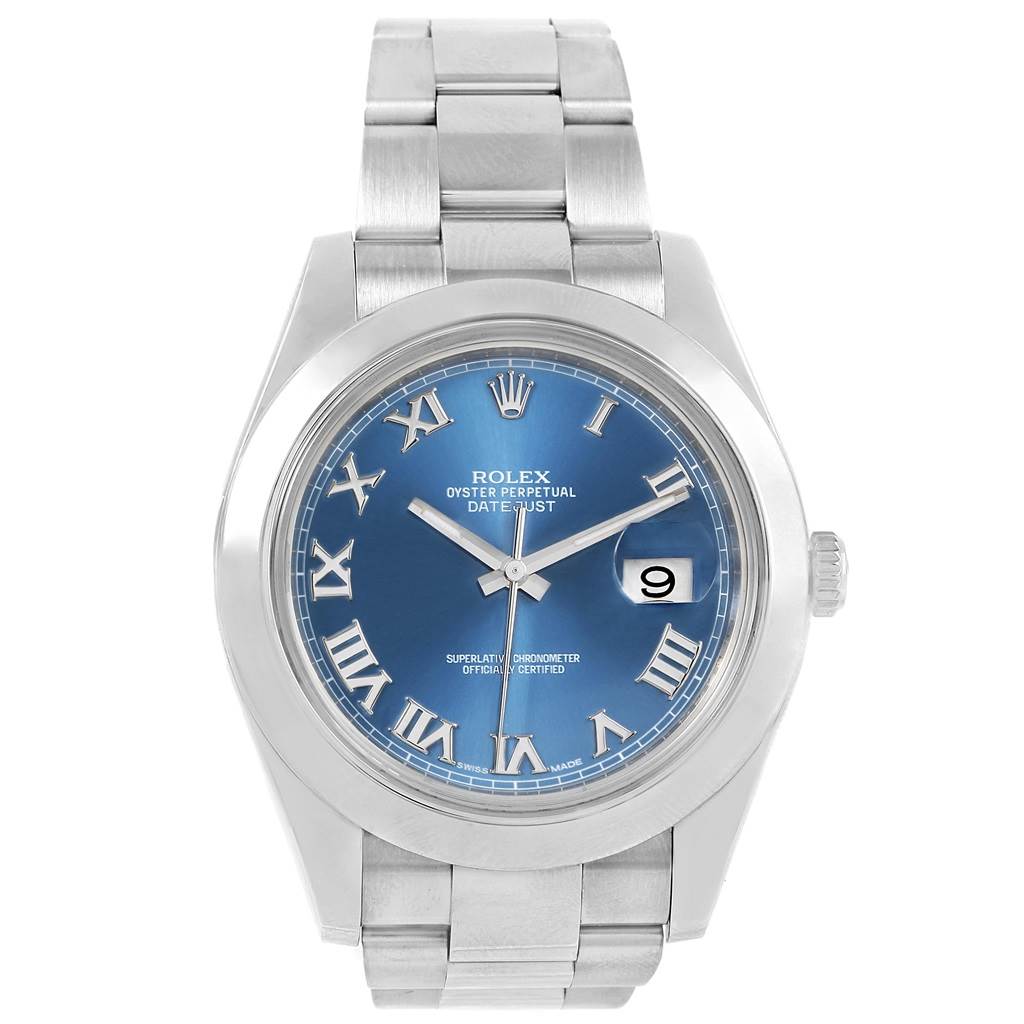
What makes the Datejust interesting is how little its concept has changed. It’s still built around clarity and versatility. Sizes range from smaller case options to 36mm and 41mm versions, and the dial and bezel combinations vary widely – from fluted gold bezels to understated smooth steel designs.

It’s the kind of watch that doesn’t try to define the wearer too strongly, which is probably why it remains so widely worn.

  1. Daytona
    The Daytona sits in a different emotional category altogether.

Originally introduced in 1963, it was designed for motorsport timing, with a tachymeter scale on the bezel for measuring speed over distance. Functionally, it’s a chronograph. Culturally, it’s one of Rolex’s most in-demand watches.

Part of that demand comes from scarcity. Stainless steel versions, in particular, are notoriously hard to obtain at retail, which has shaped its secondary market reputation.

The watch also carries a strong collector narrative. Paul Newman’s personal Daytona selling for millions at auction is often referenced, though that’s more about provenance than the model itself.

Technically, modern Daytonas use Rolex’s in-house chronograph movements (such as the Calibre 4131), focusing on reliability and efficiency rather than complexity for its own sake.

  1. GMT-Master II
    The GMT-Master was originally developed for airline pilots in the 1950s. The idea was practical: track two time zones at once.

The modern GMT-Master II refined that concept. The independently adjustable hour hand allows the wearer to change local time without stopping the watch, while the 24-hour hand tracks a second time zone. The rotating bezel can extend that further if needed.

The two-tone ceramic bezels – often nicknamed “Pepsi” or “Batman” – have become design signatures in their own right. Even people who don’t follow watches closely tend to recognize them.

  1. Yacht-Master
    The Yacht-Master is slightly harder to categorize. It shares DNA with the Submariner but shifts toward a more polished, lifestyle-oriented feel.

Introduced in the early 1990s, it was designed with nautical themes in mind, though it’s not strictly a professional tool watch in the same way as the Submariner. It’s more about versatility and materials, including platinum and Rolesium combinations.

There’s also the Yacht-Master II, which is more specialized. It features a programmable countdown timer designed for yacht racing starts. It’s technically impressive, though not as broadly worn in everyday contexts.

  1. Explorer
    The Explorer has a simpler personality.

It traces its inspiration back to mountaineering expeditions, particularly the era around Everest exploration in the 1950s. The design reflects that purpose: high legibility, minimal distractions, and a focus on reliability.

The 3-6-9 dial layout is its defining feature. It’s not decorative – it’s functional readability in low-light conditions. That restraint is what makes the Explorer appealing to people who prefer understatement over presence.

  1. Sky-Dweller
    The Sky-Dweller is one of Rolex’s more complex modern watches, though it doesn’t look overly complicated at first glance.

It combines an annual calendar with a dual time zone display. The calendar automatically accounts for months with 30 or 31 days, meaning it only needs manual adjustment once a year.

The interaction system is also unusual for replica Rolex: the bezel itself acts as part of the setting mechanism. It’s a more mechanical, tactile way of interacting with complications compared to most luxury watches.

It’s aimed more at frequent travelers than casual wearers, though it has found a broader audience over time.

  1. Yacht-Master II
    The Yacht-Master II takes the nautical theme further, focusing on a programmable regatta countdown.

It’s larger, more technical, and visually more complex than the standard Yacht-Master. The rotating bezel and mechanical memory countdown are designed for racing starts, where timing precision matters in short bursts.

It’s not the most understated Rolex, but that’s not really its goal.

  1. Milgauss
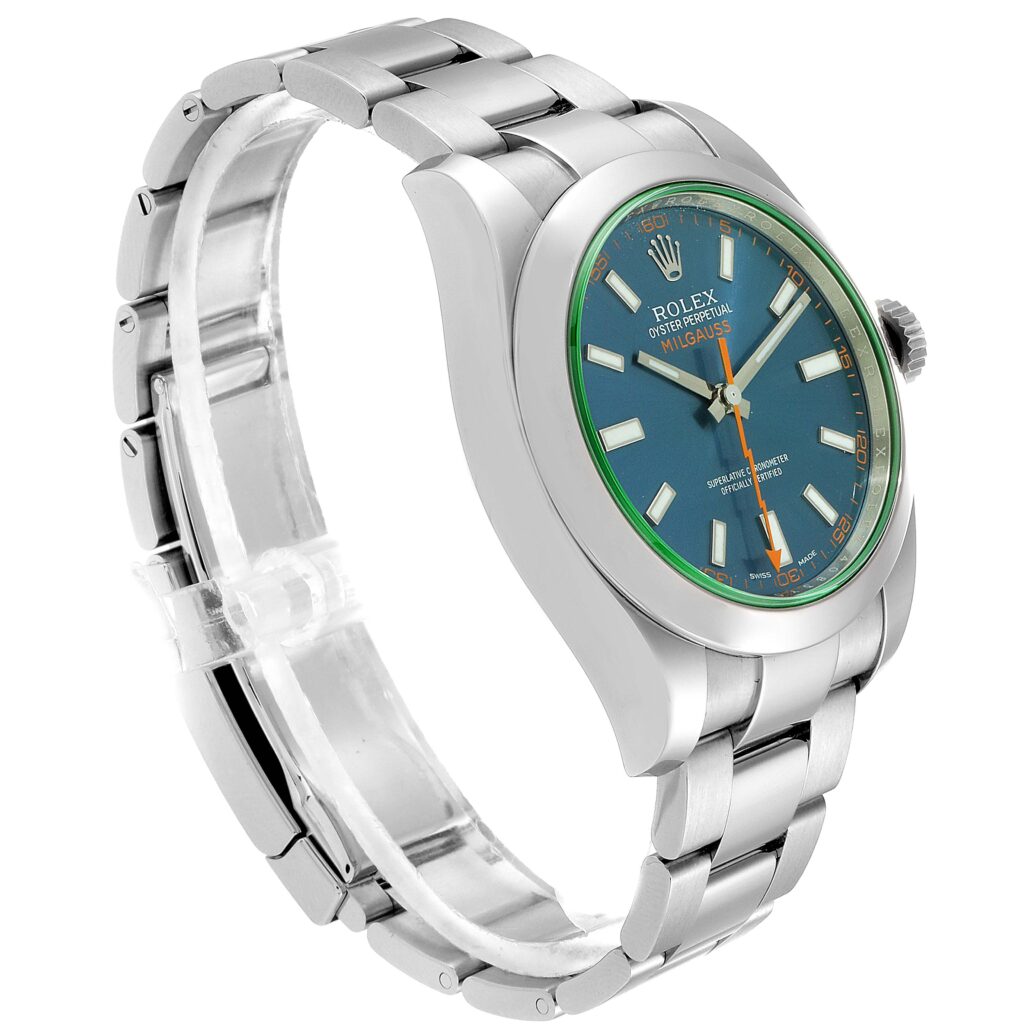
    The Milgauss was created for scientists and engineers working around strong magnetic fields. The name comes from “mille” (thousand) and “gauss,” a unit of magnetic flux density.

Its standout feature is anti-magnetic protection, achieved through internal shielding that protects the movement.

It also has a slightly unusual design for Rolex – most notably the lightning bolt seconds hand in some versions. It’s one of the more distinctive-looking models in the catalog, though it has always been somewhat niche.

  1. Datejust 31 (Women’s Segment)
    The Datejust 31 represents the smaller-format expression of Rolex’s most classic design language.

It carries the same core identity as the larger Datejust models but is often configured with more decorative dials, gem-set bezels, and varied material combinations.

It’s widely chosen as an entry point into Rolex’s dress-oriented watches, particularly for those who prefer a more compact case size without sacrificing mechanical credibility.

Men’s vs Women’s Popular Choices
Among men, the Submariner, Daytona, and Datejust tend to dominate because they sit at different points of the same spectrum: tool functionality, performance chronograph, and everyday versatility.

For women, the Datejust line and Oyster Perpetual often stand out due to flexibility in size and design. The Day-Date also appears frequently, particularly in precious metals, where it leans more toward formal or statement use.

A Brief Note on Rolex’s Trajectory
Rolex started in 1905 under Hans Wilsdorf and Alfred Davis, initially in London before moving operations to Switzerland. The “Rolex” name itself was chosen for its simplicity and memorability rather than any linguistic meaning.

The Oyster case in 1926 marked a turning point in waterproof wristwatch design, and since then the brand has mostly refined rather than reinvented its core concepts.

That long arc of incremental improvement is part of why these models remain relevant. They don’t feel like products of a single era.

It’s easy to reduce Rolex to status or investment value, but that misses part of the picture. The reason these models stay popular is more subtle: they’re stable designs that still function exactly as intended decades later, while adapting just enough to stay current.

Why the Rolex Sea-Dweller 16600 Still Feels Like the Right Dive Watch for Me

Rolex Sea-Dweller 2026 44mm

I’ve always had a complicated relationship with Rolex. That’s probably true for a lot of collectors now, especially with modern sports models becoming increasingly polished, expensive, and, frankly, a bit too attention-grabbing for daily wear. I understand why people love the current ceramic Submariners and GMTs. But after trying several on over the years, something never fully clicked for me.

Vintage Rolex, meanwhile, pulls me in for the opposite reason. The proportions feel calmer. The dials have warmth. The bracelets rattle a little, in a charming way. But vintage ownership comes with compromises too. Water resistance becomes a question mark. Service parts can get complicated. And once you actually take one into the ocean regularly, the anxiety starts creeping in.

That’s really where the Rolex Sea-Dweller 16600 landed for me. Not as a compromise exactly, but as the point where older Rolex character still meets modern reliability.

If anything, the watch feels increasingly relevant now that many dive watches have drifted toward oversized case dimensions and glossy finishes.

The Neo-Vintage Sweet Spot

Collectors throw around the phrase “neo-vintage” constantly these days, sometimes too loosely. But the Sea-Dweller 16600 genuinely fits the category well. Produced from 1988 until 2008, it sits in that interesting transition period where Rolex retained much of its older tool-watch DNA while quietly introducing meaningful technical upgrades.

The sapphire crystal matters more than people sometimes admit. Acrylic crystals have charm, sure, especially on older Submariners. Yet if you actually swim, dive, or spend time around saltwater, sapphire brings a different level of confidence. You stop worrying about every door frame or zipper scratch.

The proportions also feel unusually balanced today.

At 40mm, the Sea-Dweller 16600 wears compact compared to current professional dive watches, but it doesn’t feel small. The thicker case gives it density on the wrist without becoming top-heavy. And unlike modern ceramic Rolex models, the aluminum bezel insert develops wear in a way that actually adds personality over time.

Some collectors hate faded inserts. I kind of love them.

Not My First Rolex, But the First One I Chased

This wasn’t my first Rolex purchase. Far from it.

I already owned a vintage Oyster Perpetual ref. 1002 from the 1960s, passed down from my mother. It’s a simple 34mm watch with almost no unnecessary detail, and honestly, that restraint is part of why I love it. No rotating bezel. No helium valve. No attempt to impress anyone.

Just a beautifully proportioned Rolex.

But for years I kept circling back to the idea of owning a true Rolex dive watch. Not because of the status attached to it, surprisingly enough, but because of what the older Sea-Dwellers represented historically. Commercial diving. Saturation experiments. Functional engineering. The stuff that made Rolex sports watches interesting before hype took over the conversation.

And yes, I considered the Submariner.

Repeatedly.

Still, every time I compared references, the Sea-Dweller 16600 kept pulling me back in.

Why the 16600 Specifically?

Part of it came down to restraint.

The Sea-Dweller 16600 lacks the Cyclops magnifier that defines so many Rolex models. For some buyers, that’s a negative. For me, it completely changes the watch visually. The crystal looks cleaner. The dial symmetry improves. The whole watch feels more purpose-built.

There’s also the matter of proportions.

Modern Sea-Dwellers, especially references like the Deepsea, are technically impressive but wear much larger than I personally enjoy. The 16600 sits in a very different place ergonomically. Thick, yes, but wearable. You notice the weight without constantly adjusting the bracelet.

The caseback contributes most of the thickness, which means the watch hugs the wrist more naturally than the specifications suggest. On paper, 14.5mm sounds substantial. In reality, it wears better than many newer dive watches that are technically thinner.

That’s something photographs don’t really communicate.

Specifications That Still Matter

The specs aren’t the whole story, but they’re still part of why this reference has aged so well.

SpecificationRolex Sea-Dweller 16600
Case Diameter40mm
ThicknessApproximately 14.5mm
CrystalSapphire
Water Resistance1,220m / 4,000ft
MovementRolex Caliber 3135
BraceletOyster bracelet in 904L steel
Production Period1988–2008
BezelAluminum insert
Date MagnifierNone

Inside sits the Rolex Caliber 3135, one of the brand’s most respected modern-era movements. It isn’t decorative in the way haute horlogerie collectors might want. No hand-finishing theatrics here. But watchmakers consistently praise it for durability and serviceability.

And honestly, that’s more important to me in a dive watch.

According to Rolex’s official archive materials and long-term collector coverage from Hodinkee, the 3135 earned its reputation largely because it simply keeps running under hard use. That’s less romantic than discussing Geneva stripes, maybe, but it matters when you actually wear the watch regularly.

The Details I Didn’t Expect to Care About

What surprised me most wasn’t the movement or the depth rating.

It was the dial.
The Sea-Dweller 16600 has a strange visual balance that becomes more noticeable over time. The absence of the Cyclops gives the sapphire crystal a flat, uninterrupted appearance, and the smaller text layout feels restrained compared to current Rolex sports models.

At certain angles, especially outdoors, the glossy black dial almost disappears into the bezel. The white lume plots float against the surface. It’s subtle, but once you notice it, it’s hard to unsee.

The bracelet deserves mention too.

Older Rolex Oyster bracelets don’t have the tank-like solidity of modern versions, but that’s actually part of the comfort. The watch shifts slightly on the wrist instead of locking itself into place like a metal cuff. Some people interpret that as inferior construction. I don’t.

I think it’s just different.

Learning From Other Collectors

During my search, I spent an embarrassing amount of time reading old forum threads and collector articles. Some of the most useful perspectives came from Fratello Watches and Monochrome Watches, particularly discussions comparing late tritium dials to Super-LumiNova service-era examples.

I specifically wanted a Super-LumiNova dial.
That choice probably disappoints hardcore vintage purists, but I didn’t want to deal with weak lume or uneven aging. I wanted something I could wear at night, underwater, or during travel without treating it like a fragile object.

Sometimes practicality wins.

And that’s okay.

A Watch That Quietly Grows on You

The Sea-Dweller 16600 isn’t a replica watch that overwhelms you immediately. In fact, that’s probably why I ended up liking it so much.

Modern Rolex sports models often make an instant impression. Ceramic bezels shine harder. Cases reflect more light. Everything feels engineered to stand out across a room or on social media. The 16600 doesn’t really play that game.

Its appeal builds slowly.

You notice the proportions after a few days. Then the comfort. Then the way the bezel action feels slightly more mechanical and raw than newer Rolex clicks. Eventually you realize you’ve stopped taking it off.

That’s when I knew I’d made the right decision.

Walking out of the watch shop with the Sea-Dweller on my wrist felt important, though maybe not in the way I expected. It wasn’t just excitement over acquiring another watch. It felt more personal than that. My Oyster Perpetual came from my mother. The Sea-Dweller purchase became tied to a memory with my father.

Does a Heavier Rolex Signal Greater Value?

Rolex Cosmograph Daytona 42mm

Rolex’s current heaviest watches are a masterclass in material science, where density dictates dominance. The title holder is unequivocally the Rolex Cosmograph Daytona in platinum (ref. 126506). Known affectionately as the “Platona,” this 40mm icon boasts an Oyster case and bracelet crafted entirely from solid platinum. As Rolex itself notes, platinum is “the densest and heaviest metal” used in watchmaking, which directly translates to its commanding wrist presence.

However, a new and formidable contender emerged in 2024, fundamentally challenging our notions of where weight and luxury intersect: the 18K yellow gold Rolex Deepsea (ref. 136668). This model made headlines at Watches and Wonders 2024 as the heaviest watch Rolex has ever produced, weighing in at a staggering 322 grams. The concept is audacious: taking a 44mm dive watch engineered for 3,900-meter depths and casting it in solid gold. The visual impact is profound, combining the rugged tool-watch aesthetics of the Deepsea with the untamed opulence of pure gold. This watch is not about subtlety; it is a bold declaration of excess, answering the question, “Who would wear this?” with a statement of pure confidence.

Just as Rolex pushes the boundaries of heft, it simultaneously explores the opposite extreme. In recent years, the brand has embraced RLX titanium, a material prized for its high strength, corrosion resistance, and remarkably low weight. The pinnacle of this pursuit is the Perpetual Deepsea Challenge (ref. 126067). This engineering marvel boasts a massive 50mm case built to withstand the pressure at a depth of 11,000 meters, yet it is crafted entirely from RLX titanium. The result is a replica watch of colossal dimensions that feels surprisingly wearable. As noted in reviews, this titanium construction makes the 2022 Deepsea Challenge about 30% lighter than its 2012 predecessor, showcasing Rolex’s ability to balance extreme durability with wearer comfort.

This strategic introduction of lightweight materials does not diminish the brand’s prestige; instead, it showcases its technical versatility. Rolex now offers a spectrum of experiences, from the grounded, reassuring weight of platinum and gold to the agile, modern feel of titanium.

The narrative of weight in the Rolex universe is no longer a simple tale of “more is more.” The existence of both the 322-gram gold behemoth and the advanced titanium giant proves that the brand expertly navigates the full spectrum. The true value lies not in seeking the absolute heaviest watch, but in understanding what that weight represents. It may be the uncompromising luxury of a solid platinum chronograph or the purposeful, high-tech strength of a titanium dive watch.

Replica Rolex Air-King 126900Rebel That Finally Grew Up

Rolex Air-King

Among Rolex’s vast and meticulously curated catalog, the Air-King has always occupied a peculiar position. It has never been fully classical, nor has it ever embraced the conventional definition of a sports watch. Instead, it has existed quietly on the margins – often misunderstood, frequently overlooked, yet deeply loved by those who truly spent time with it. For me, the Air-King has long been one of the most compelling replica Rolex models.

My personal journey with the model began in 2017, when I purchased a ref. In my late twenties, I visited Milan. That 34mm Air-King became a constant companion – effortless, discreet, and endlessly comfortable. It was the kind of watch that didn’t announce itself, yet rewarded its owner through character rather than spectacle. In many ways, it represented Rolex at its most relaxed and unpretentious.

The arrival of the modern Air-King, first with the ref. 116900 in 2016 and now refined further as the ref. 126900, marks a decisive turning point. After several weeks of daily wear, it’s clear that this is no longer the Air-King of old. Rolex hasn’t merely updated the model – they have redefined its identity entirely.

From Understated Tool Watch to Purpose-Built Sports Model

Historically, the Rolex Air-King was a modestly sized pilot’s watch, tracing its roots back to 1945 and Rolex’s tribute to British Royal Air Force aviators. For decades, it remained a 34mm watch, and while some enthusiasts eventually criticized its dimensions as outdated, that smaller case was never accidental. It offered pilots freedom of movement and long-wearing comfort – qualities that translated beautifully into everyday civilian use.
The modern Air-King abandons this philosophy entirely. Now produced exclusively in a 40mm case, the ref. 126900 reflects Rolex’s contemporary design language and its ambition to reposition the Air-King as a full-fledged sports watch. Part of this transformation stems from the watch’s conceptual link to the Bloodhound LSR project, a British land-speed vehicle engineered to break the 1,000mph barrier. While the connection may seem abstract at first, it becomes increasingly apparent when examining the watch more closely.

A Case That Signals a New Direction

One glance at the Air-King 126900 confirms its dramatic evolution. The case architecture is now closely aligned with the modern Submariner, complete with Rolex’s so-called “super case” proportions. Broad lugs, pronounced crown guards, and a strong slab-sided profile give the watch a muscular, purpose-built presence on the wrist.

Yet Rolex has been careful not to erase the Air-King’s individuality entirely. The polished stainless steel bezel remains slim and understated, though now flatter and more angular – visually closer to the Explorer than earlier Air-King references. Paired with a 21mm Oyster bracelet that fills the widened lug span, the replica watch wears substantially larger and more assertive than any Air-King before it.

This is no longer a bridge between classic and sporty Rolex models. The Air-King has crossed that line decisively.

Daily Wear: Comfort vs. Character

The older 34mm Air-King was, without exaggeration, one of the most comfortable watches I’ve ever worn. For three years of near-daily use, it virtually disappeared on the wrist – light, balanced, and unobtrusive in the best possible way.

The ref. 126900 offers a very different experience. Comfort remains excellent, roughly on par with a modern Submariner or the 40mm Explorer, but it no longer achieves that “set it and forget it” sensation. You are always aware of its presence – and that awareness is intentional.
What the new Air-King gains in return is presence. The watch feels confident and visually engaging, and it draws attention in a way no previous Air-King ever did. This is amplified by its dial, which quickly becomes the emotional centerpiece of the entire watch.
A Dial That Refuses to Apologize

The dial is, without question, the most divisive and defining element of the Air-King 126900. Rolex has distilled the design into a single configuration, combining traditional brand colors in a decidedly untraditional arrangement. The Rolex logo and seconds hand are rendered in vivid green, while the applied coronet at 12 o’clock appears in bright yellow – an almost shocking choice by fake Rolex standards.

The hour markers further push the design into unfamiliar territory. Painted double-digit numerals surround applied, lume-filled Arabic numerals at 3, 6, and 9, creating a layered, instrument-like aesthetic. At close range, the dial feels dense and information-rich. Step back to normal viewing distance, however, and the layout settles into surprising coherence.

The inspiration drawn from the Bloodhound LSR’s speed instrumentation becomes clear here. This is not a traditionally “beautiful” dial in the classic Rolex sense – it is functional, expressive, and unapologetically experimental. Even the familiar “Air-King” script has been repositioned lower on the dial, reinforcing the sense that nothing here is accidental.

It’s a design that demands engagement. You may not love it immediately, but you cannot ignore it.

Modern Mechanics Beneath the Surface

Powering the Rolex Air-King 126900 is Rolex’s caliber 3230, replacing the older 3130 found in the previous generation. This upgrade brings a 70-hour power reserve and Rolex’s latest Chronergy escapement, improving both efficiency and long-term reliability.

In use, the movement feels noticeably smoother, particularly when hand-winding – a subtle but welcome refinement that complements the watch’s larger, more substantial character. As expected, the movement is certified as a Superlative Chronometer, tested after casing to ensure accuracy and performance well beyond COSC standards.

A New Air-King for a Broader Audience

The modern Air-King is no longer a niche favorite for small-watch enthusiasts. With its increased size, bold styling, and sports-watch stance, it now occupies a far more mainstream position within the Rolex lineup. In doing so, it sacrifices some of the charm and effortlessness of its predecessors – but gains confidence, visibility, and a clear identity.

For collectors who already own a Submariner or Daytona, the Air-King offers a refreshing alternative. And for those just beginning their journey into Rolex, it presents something rare: a sports Rolex that refuses to follow established formulas.

The Air-King 126900 may no longer fly under the radar – but perhaps that was never its destiny. Instead, it has matured into one of the most distinctive and character-driven watches Rolex produces today.

The Affordable Icon That Channels Replica Rolex Elegance

luxury blue watch

When Citizen first introduced the Tsuyosa collection, few could have predicted how profoundly it would reshape perceptions of the Japanese brand. Known primarily for its solar-powered quartz technology, Citizen took a bold step by offering a mechanical automatic sports watch that blended classic luxury design cues with accessible pricing. The result was an immediate hit – a watch that evoked the timeless sophistication of the fake Rolex Datejust while retailing for under $500.

Three years on, the Tsuyosa has become far more than a pleasant surprise. It stands as a symbol of Citizen’s renaissance among enthusiasts – a rebirth grounded in mechanical craftsmanship, design refinement, and remarkable value. Sales have surged globally, with the brand even reporting record profits in the UK, defying a broader industry slowdown. Now, Citizen is taking the formula a step further with the launch of the Tsuyosa 60, a refreshed, elevated edition that adds refinement, technical upgrades, and unmistakable luxury flair.

The Tsuyosa 60 represents a sophisticated evolution rather than a mere update. Its most striking improvement lies in the dial, which trades the familiar sunburst finish for a richly textured radial pattern reminiscent of traditional guilloché. The surface catches light dynamically, adding depth and an air of artistry previously reserved for the small-seconds variant. The effect is subtle yet powerful – a clear sign that Citizen intends this watch to compete in more elevated territory.

Equally transformative is the new bracelet. Gone is the simple three-link design of the standard Tsuyosa, replaced by a Jubilee-style bracelet that heightens the model’s visual connection to the replica Rolex Datejust lineage. The alternating polished and brushed links create a captivating interplay of light, adding a sense of refinement that belies the watch’s price. Completing the illusion are baton-style hands, stick indices, and a magnified date window – features that nod respectfully to Geneva’s most iconic dress-sport watch.

Beneath the surface, Citizen introduces a newly upgraded automatic caliber: the Caliber 8310. It’s an evolution of the brand’s well-known 8210 movement, now offering an extended 60-hour power reserve – an impressive 50% increase over its predecessor. The movement is visible through a sapphire display caseback, revealing elegant details such as blued screws and a refined Côtes de Genève finish. It’s a level of decoration seldom found in this price range, emphasizing Citizen’s growing attention to both performance and presentation.

This enhanced capability puts the Tsuyosa 60 in direct conversation with rivals like the Tissot PRX Powermatic 80, another integrated sports watch boasting a long power reserve and strong value proposition. Yet, where the Tissot feels decidedly modern, the Citizen leans classic – its polished edges and balanced proportions giving off a warmth and charm that feel timeless.

Citizen offers the Tsuyosa 60 in three distinct configurations, each designed to appeal to different tastes. The stainless steel model with a black dial exudes understated professionalism, ideal for daily wear. The two-tone version, pairing a green dial with gold-tone accents on the bezel, crown, and bracelet center links, brings unmistakable Rolex vibes and a touch of retro glamour. Finally, the standout of the trio – a full rose gold-tone execution with an “Ash Blue” dial – delivers an unexpectedly luxurious aura that evokes the aesthetic sophistication of high-end independents like Czapek, just visit https://www.kingtutone.com.

Despite the elevated finishing and upgraded movement, Citizen has preserved what makes the Tsuyosa line so appealing: accessibility. Each of the three models retails for $625, a price that still sits comfortably below the $1,000 mark – a near-miracle in today’s luxury replica watch market.

The Citizen Tsuyosa 60 is not merely a homage; it’s a celebration of classic design brought to life through Japanese precision and modern sensibility. It offers the look, feel, and emotional satisfaction of a far more expensive watch while remaining true to Citizen’s core philosophy – refined watchmaking for everyone. In a world obsessed with status, the Tsuyosa 60 quietly reminds us that sophistication need not come at a luxury price.

What Makes Rolex a Pioneer in Watchmaking?

Rolex watch

When you think of Rolex, luxury is usually the first word that comes to mind. But beyond the polished cases and iconic designs lies a history of groundbreaking technological innovations that have shaped the watchmaking industry. Rolex’s commitment to precision, durability, and innovation has made it a constant force in horology, and its relentless pursuit of excellence continues to push the boundaries of what’s possible in timekeeping. Let’s explore how Rolex has achieved this extraordinary status.

Waterproof, Legendary, and Timeless
Rolex revolutionized the concept of wristwatches in 1926 when Hans Wilsdorf unveiled the world’s first truly waterproof watch: the Oyster case. This groundbreaking design featured a sealed case middle, a screw-down case back, a secure winding crown, and a bezel that locked everything in place. It was the first time a watch was protected from the elements, and this invention was immediately embraced by the world.

Today, nearly every replica Rolex watch, from the classic Datejust to the rugged Submariner, comes equipped with an Oyster case. The design remains a hallmark of Rolex’s commitment to water resistance, with watches guaranteed to withstand depths of at least 100 meters. Over the years, Rolex has perfected this technology, refining the screw-down crown with the introduction of the Twinlock and Triplock systems, each offering dual or triple seals for added security. If you’re ever unsure of which system your watch uses, the presence of dots on the crown’s logo will tell you-two dots for Twinlock, three for Triplock.

But Rolex didn’t stop there. They introduced the Ringlock system, a marvel of engineering that includes a titanium case back and a compression ring that boosts the Oyster’s water resistance to an astonishing 3,900 meters. This makes the Rolex Deepsea a true marvel of both technology and design.

A Legacy of Precision
At the heart of every Rolex watch lies an innovation that dates back to 1931-the automatic winding rotor, or “Perpetual” movement. Rolex’s ingenious system of utilizing a central rotor to wind the mainspring with the motion of the wrist has become standard in automatic watches worldwide. Yet, Rolex’s true brilliance lies in its ability to refine and perfect these movements.

Take, for example, the blue Parachrom and Syloxi hairsprings. The Parachrom, crafted from a unique niobium-zirconium alloy, is immune to magnetic fields and temperature fluctuations. It also boasts superior shock resistance, making it perfect for larger watches. The Syloxi hairspring, crafted from silicon, shares these properties and is typically found in Rolex’s more compact models. Both hairsprings are a testament to Rolex’s commitment to precision and durability.

Another revolutionary development is the Paraflex shock protection system. Designed to absorb and dissipate shock energy, Paraflex reduces the risk of mechanical failure by up to 50%. Rolex’s Chronergy escapement, introduced in 2015, further increases energy efficiency by 15%, extending power reserves while reducing energy consumption.

In 2026, Rolex once again took the industry by surprise with the introduction of the Dynapulse escapement. Entirely made of silicon, this system incorporates two escape wheels and an innovative anchor design that distributes energy across the movement with remarkable balance. The Dynapulse’s shock resistance, magnetism immunity, and minimal maintenance needs make it a true marvel of modern watchmaking.

The Ultimate in Comfort and Flexibility
Rolex doesn’t just focus on technical innovation in its movements; it also designs bracelets and clasps that provide unparalleled comfort and security. The Oysterlock clasp, found on many of its diving models, uses a double-locking mechanism to ensure the watch stays securely on your wrist. But the real ingenuity lies in the Glidelock and Fliplock systems, which allow for precise length adjustments without the need for tools.

With the Glidelock system, wearers can extend the bracelet up to 20 millimeters in 2-mm increments, ensuring a perfect fit even in the most extreme conditions. For additional length, the Fliplock extension offers an extra 26 millimeters at the push of a button. Rolex also introduced the Easylink system in 1996, allowing the bracelet to expand by 5 millimeters to accommodate swelling wrists on hot days-yet another testament to the brand’s attention to detail.

Rolex’s Rigorous Quality Control
Every Rolex undergoes a battery of tests that go far beyond the industry norm. Each Oysterlock clasp is subjected to 26 drop tests and is opened and closed thousands of times-far more than any clasp will face in its lifetime. The company’s rigorous “bélier” crash test simulates the impact of a high-speed collision, with forces up to 5,000 Gs, a force hundreds of times greater than that in a car crash.

Rolex also goes to extraordinary lengths to ensure water resistance. Each watch is tested under water pressure that exceeds the guaranteed rating by up to 10%. For diving models, that figure can rise to 25%. Every Rolex Oyster has passed this pressure test before leaving the factory, making it one of the most resilient watches in the world.

Additionally, Rolex conducts real-world testing with a robot that mimics a year’s worth of human movement in just seven days. This includes everything from daily activities to intense physical movements, ensuring that each watch can withstand the rigors of daily life.

The Unmatched Accuracy of a Rolex
The precision of a Rolex watch is second to none. Each Rolex movement must first pass the strict chronometer test of the COSC (Contrôle Officiel Suisse des Chronomètres). But the testing doesn’t stop there. Rolex then tests each movement again in its own laboratories, adhering to standards that are even more stringent than the COSC. A standard chronometer allows a deviation of -4 to +6 seconds per day, but a Rolex can only deviate by a maximum of -2 to +2 seconds per day before earning the “Superlative Chronometer Officially Certified” title. This dedication to accuracy ensures that every Rolex is a precision instrument.

A New Era of Cerachrom
In 2005, Rolex began outfitting its professional models with bezels made from its own proprietary ceramic mixture-Cerachrom. This material is virtually scratch-proof and resistant to UV rays, allowing it to maintain its color and finish for decades. The first Cerachrom bezel was monochrome, but in 2013, Rolex developed a groundbreaking process to create a two-tone ceramic bezel insert. The fake Rolex GMT-Master II “Batman,” with its black and blue bezel, became an instant icon.

Rolex’s mastery of Cerachrom has since expanded, with color combinations such as the “Pepsi” red-and-blue bezel and the “Sprite” green-and-black bezel. This innovative material has transformed the look of Rolex watches while ensuring they retain their timeless appeal.

Rolex’s Commitment to the Future
Rolex is not only focused on innovation today; it’s invested in preserving its legacy for the future. Through its dedicated training center in Geneva, Rolex ensures that the knowledge and skills accumulated over more than a century are passed down to future generations. By educating the next generation of watchmakers, Rolex guarantees that its pioneering spirit and commitment to excellence will continue to thrive.

Rolex stands as a beacon of innovation, craftsmanship, and precision. Every development, from the Oyster case to the Perpetual calibers, tells a story of a brand that never rests on its laurels. Rolex watches are not just instruments of time-they are the culmination of over a century of relentless pursuit of perfection.

Decoding the Replica Rolex “Exhibition Only” Phenomenon

Rolex Daytona II

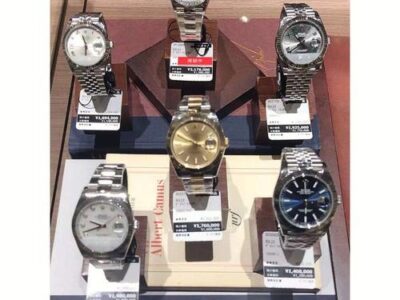
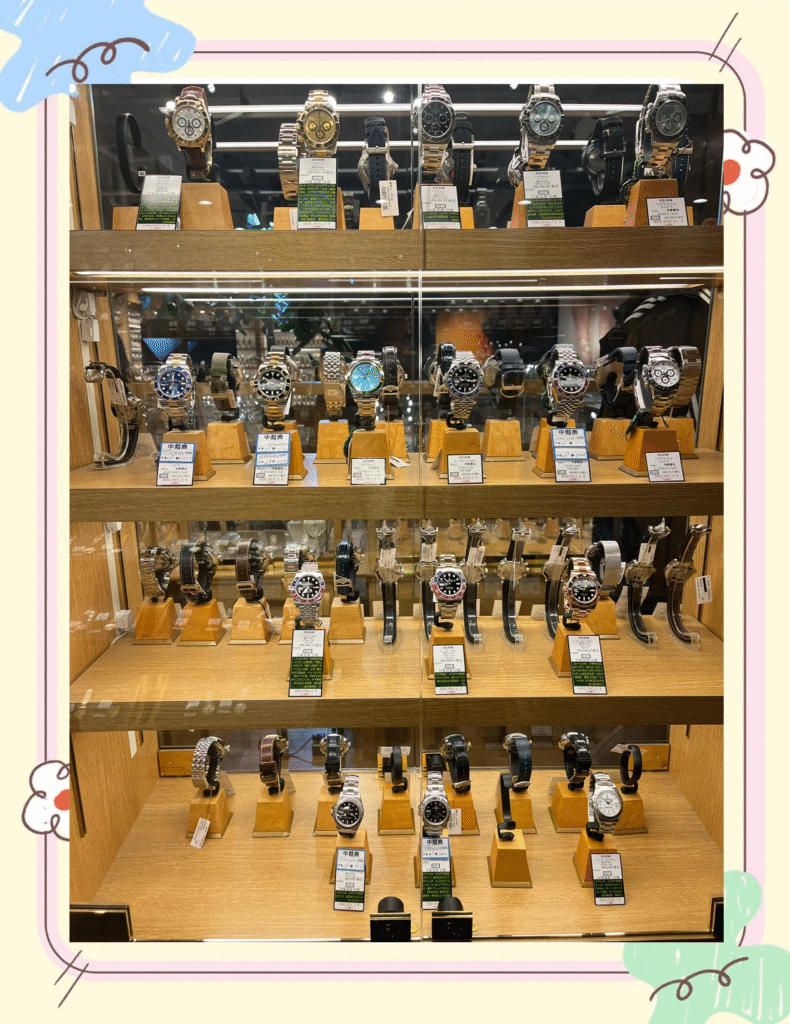
Walking into an authorized Rolex dealer can be a paradoxical experience. Gleaming display cases are filled with the very objects of desire – Submariners, GMT-Masters, and Daytonas – yet a polite inquiry is often met with a courteous but firm refusal. These replica watches, you are told, are not for sale; they are for exhibition only. This policy, which can feel both perplexing and exclusionary to new clients, is not a mere marketing gimmick but a direct result of an unprecedented imbalance between overwhelming global demand and severely constrained supply. The shimmering watches behind the glass are less a store inventory and more a promise of what could be – reserved for those who navigate the brand’s intricate path to ownership.

At the heart of this strategy lies a fundamental economic principle: artificial scarcity. Rolex meticulously controls its production, manufacturing a finite number of watches each year – estimates suggest around one million watches – dwarfed by tens of millions of hopeful buyers worldwide. This deliberate limitation preserves the brand’s aura of exclusivity. When a product is perceived as universally elusive, its desirability soars. The “exhibition only” sign is the physical manifestation of this scarcity, a constant reminder that owning such an item is a privilege, not a simple transaction. It transforms the watch from a commodity into an aspirational trophy, deepening its mystique.

Consequently, authorized dealers (ADs) face an immense challenge: how to allocate these incredibly sought-after pieces. Their solution prioritizes not wealth alone, but loyalty and relationship. The most coveted models – like the Pepsi GMT-Master II or ceramic replica Rolex Daytona – are invariably offered first to established clients with a proven purchase history. This practice, often called “building a profile,” is the unspoken rule of the luxury watch game. A dealer’s primary goal is to ensure a watch goes to a true enthusiast who will cherish it, rather than a flipper who will immediately sell it on the grey market for a significant premium, undermining both the brand’s integrity and the AD’s trust with dedicated clients.

Therefore, the journey to acquiring a stainless steel professional model often begins not with the watch itself, but with other purchases. A client might be encouraged to build a relationship by acquiring a less-hyped piece – such as a Datejust, a Pearlmaster, or even jewelry from associated brands like Tudor. This demonstrated commitment signals to the dealer that you are a serious collector and a valuable long-term customer, not a short-term profiteer. It is a test of patience, dedication, and genuine passion for the brand.

The “exhibition only” watch serves as the ultimate symbol of this modern luxury dynamic. It is a silent test at the door, separating the casual window-shopper from the dedicated aspirant. The path to ownership is no longer a simple purchase but a curated courtship, requiring investment in a relationship with the brand and its representatives. That watch under the glass isn’t truly for display; it is a preview of the reward awaiting those who successfully navigate the intricate and often unspoken rituals of high horology – a testament to the fact that in today’s luxury market, access is the ultimate currency.

The Most Distinctive Replica Rolex Dials

The 1920s marked a turning point with the launch of the Oyster, the world’s first waterproof wristwatch. This revolutionary watch introduced dials bearing the now-iconic “Oyster Perpetual” name, reinforcing Rolex’s reputation for durability and precision. By the mid-20th century, replica Rolex had pioneered luminescent materials such as Radium and later Tritium, ensuring legibility in low-light conditions-a crucial feature for professional divers, pilots, and explorers.

The Variety of Rolex Dials

1. Timeless Elegance

Embodying understated sophistication, Rolex’s classic dials feature baton or Roman numeral hour markers, refined sunburst or matte finishes, and sleek hands. Models like the Datejust and Oyster Perpetual exemplify this timeless approach, appealing to those who appreciate traditional watchmaking with a modern touch.

2. The Pinnacle of Luxury

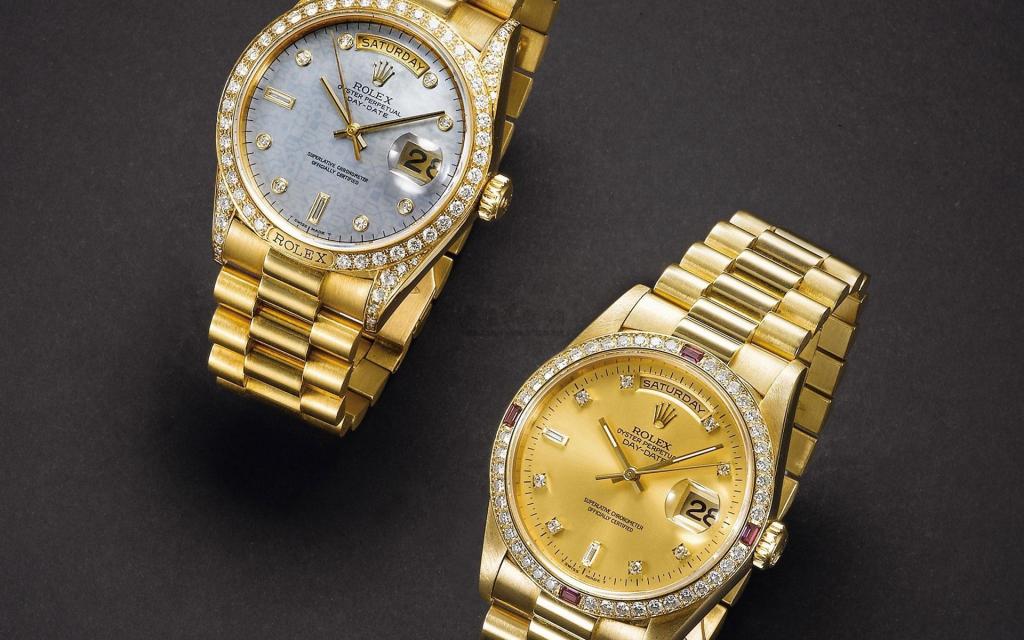
For those who desire opulence, Rolex offers dials adorned with diamonds, sapphires, and other precious stones. The Rolex Day-Date “President” and Lady-Datejust often feature pavé or baguette-cut diamonds, transforming these replica watches into dazzling works of art. Each gem is meticulously set by hand, ensuring flawless brilliance.

3. Designed for Purpose

Rolex tailors its dials to suit specific lifestyles and professions. The Explorer, with its bold 3-6-9 numerals, was designed for adventurers, while the Cosmograph Daytona’s tachymeter scale caters to racing enthusiasts. The Submariner’s high-contrast dial ensures readability underwater, and the GMT-Master’s dual-time display is indispensable for globetrotters.

A Piece of the Cosmos

Crafted from slices of the Gibeon meteorite, these dials feature otherworldly Widmanstätten patterns, a crystalline structure formed over millions of years in space. Each dial is entirely unique, making models like the Daytona and Day-Date 40 with meteorite dials highly sought after by collectors.

A Burst of Color

Introduced in the 1970s, these vibrant lacquer-finished dials came in bold hues like emerald green, electric blue, and fuchsia pink. Originally designed for the Oyster Perpetual and Day-Date, these rare dials are now prized for their striking, unconventional aesthetic.

Textured Masterpieces

Some of replica Rolex’s most intricate dials feature guilloché engraving or repeating crown motifs, celebrating the brand’s heritage. The “Tapestry” dials on the Cellini and vintage Datejust showcase intricate geometric patterns, adding depth and exclusivity.

Every Rolex dial is produced in-house, undergoing rigorous quality control to meet the brand’s exacting standards. From the application of 18K gold hour markers to the hand-painting of luminescent coatings, each step is executed with precision. Rolex even developed its own Cerachrom ceramic and Chromalight lume for unparalleled durability and visibility.