Top 10 Most Popular Rolex Models 2026
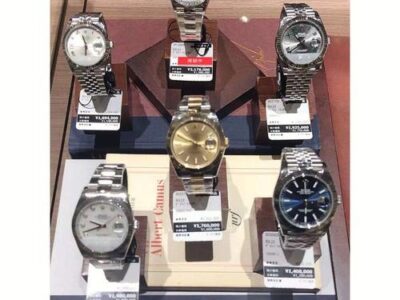
For many people, it sits somewhere between an engineering benchmark and status symbol, though that oversimplifies it a bit. What keeps it relevant isn’t just marketing or exclusivity – it’s consistency. The design language evolves slowly, the technical upgrades are steady, and the core identity rarely drifts.
That combination is why certain models keep showing up again and again on “most popular” lists, even across decades of changing taste.
Why Rolex Models Remain So Popular
Rolex’s reputation didn’t appear overnight. It’s built on a few long-running ideas that the brand has refined rather than reinvented.
One of the most important is durability. Rolex cases are engineered around robustness first, not fragility. Materials like Oystersteel (a high-grade 904L stainless steel alloy) are used because they resist corrosion and take a polish well, even after years of wear in 2026. That’s not just theory – you’ll see vintage Rolex models still in daily rotation without looking “tired”.
Innovation plays a quieter but steady role. Rolex was early to waterproof wristwatches with the Oyster case in 1926, and later introduced the Perpetual self-winding rotor, which became a foundation for modern automatic watches. More recently, incremental improvements in movements – longer power reserves, better shock resistance, improved anti-magnetism – have kept the brand technically current without changing its identity.
There’s also design continuity. A Submariner from the 1960s and one from today are clearly related, even if the modern version is larger and more technically refined. That familiarity creates a kind of visual stability that collectors tend to value.
And finally, there’s perception. Rolex sits in a rare category where utility, recognition, and status overlap. That doesn’t make it “better” in a technical sense than every alternative, but it does explain why demand remains so persistent.
For reference on the brand’s history and technical philosophy, Rolex’s own overview is a useful starting point: https://www.rolex.com
- Submariner
The Submariner is probably the watch most people picture when they hear “Rolex sports model”. It debuted in 1953 as a professional dive watch, and while early versions were tool-focused, it gradually became something more versatile.
Today’s Submariner is still clearly functional. The rotating bezel is designed for timing dives, and the case is rated to 300 meters. But in practice, many owners never go near open water – it works just as well with casual wear as it does in extreme environments.
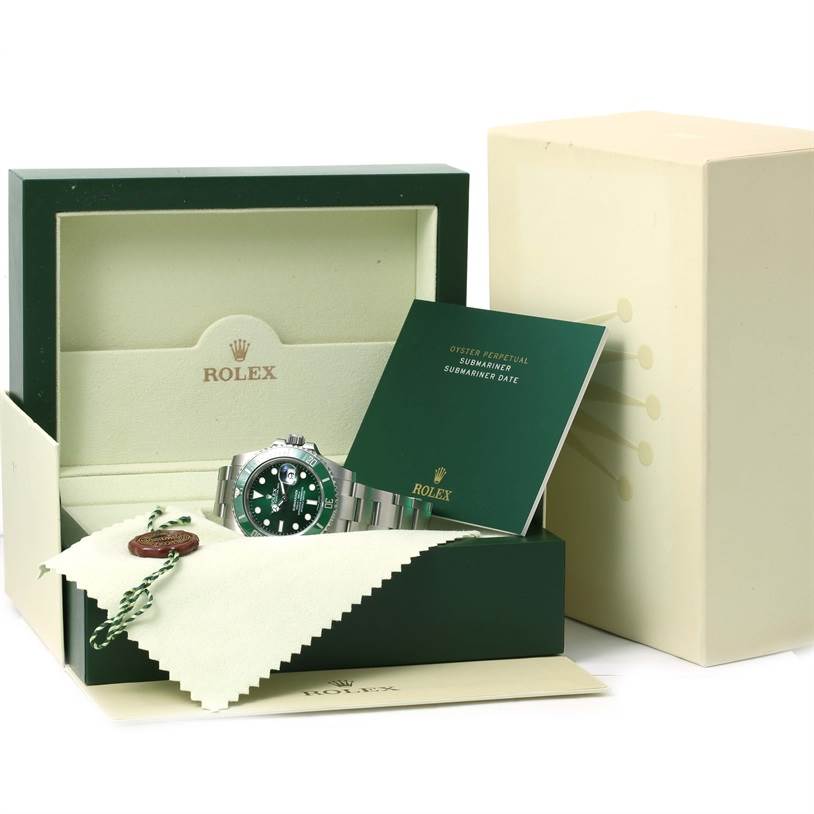
Modern versions typically use Rolex’s in-house automatic movements (such as the Calibre 3230 or 3235), offering around 70 hours of power reserve. The ceramic bezel insert also helps with long-term wear resistance, which is one of those details you only really appreciate after years of use.
Older models sometimes fetch very high prices at auction, though results vary widely depending on reference, condition, and provenance.
- Datejust
If the Submariner is Rolex’s sports identity, the Datejust is its everyday language.
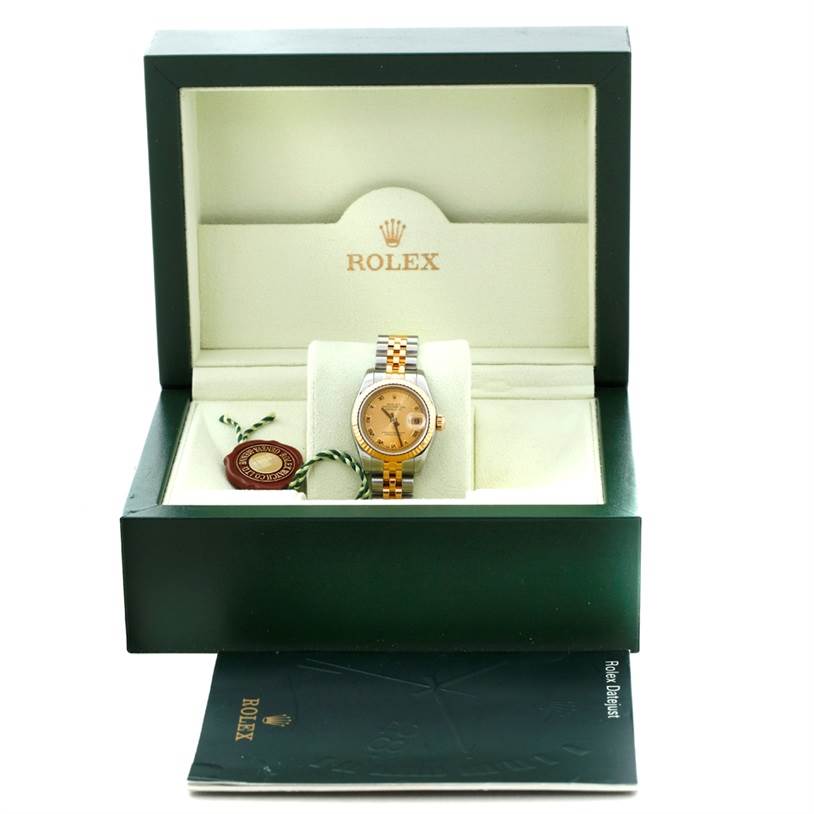
Introduced in 1945, it was the first automatic wristwatch to display the date in a window that changed at midnight. That might sound simple now, but at the time it was a meaningful usability improvement.
What makes the Datejust interesting is how little its concept has changed. It’s still built around clarity and versatility. Sizes range from smaller case options to 36mm and 41mm versions, and the dial and bezel combinations vary widely – from fluted gold bezels to understated smooth steel designs.
It’s the kind of watch that doesn’t try to define the wearer too strongly, which is probably why it remains so widely worn.
- Daytona
The Daytona sits in a different emotional category altogether.
Originally introduced in 1963, it was designed for motorsport timing, with a tachymeter scale on the bezel for measuring speed over distance. Functionally, it’s a chronograph. Culturally, it’s one of Rolex’s most in-demand watches.
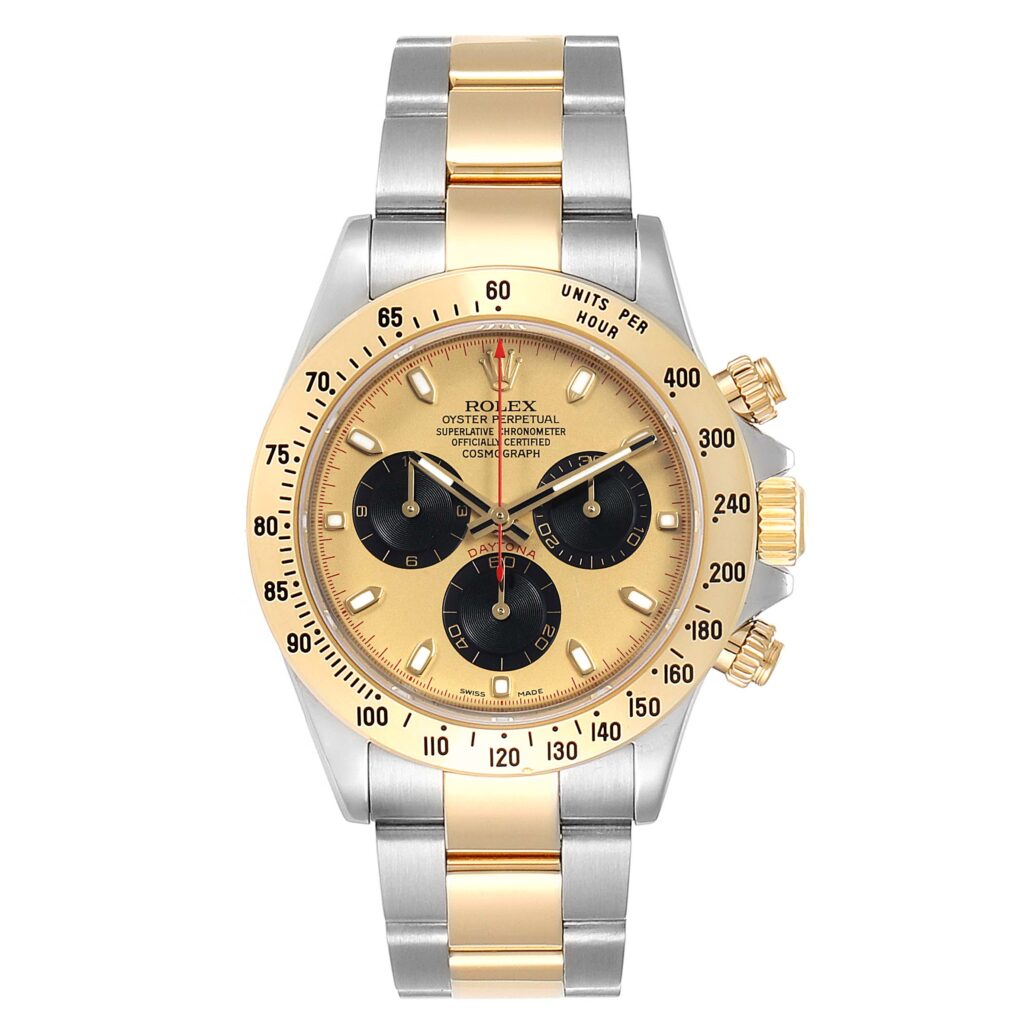
Part of that demand comes from scarcity. Stainless steel versions, in particular, are notoriously hard to obtain at retail, which has shaped its secondary market reputation.
The watch also carries a strong collector narrative. Paul Newman’s personal Daytona selling for millions at auction is often referenced, though that’s more about provenance than the model itself.
Technically, modern Daytonas use Rolex’s in-house chronograph movements (such as the Calibre 4131), focusing on reliability and efficiency rather than complexity for its own sake.
- GMT-Master II
The GMT-Master was originally developed for airline pilots in the 1950s. The idea was practical: track two time zones at once.
The modern GMT-Master II refined that concept. The independently adjustable hour hand allows the wearer to change local time without stopping the watch, while the 24-hour hand tracks a second time zone. The rotating bezel can extend that further if needed.
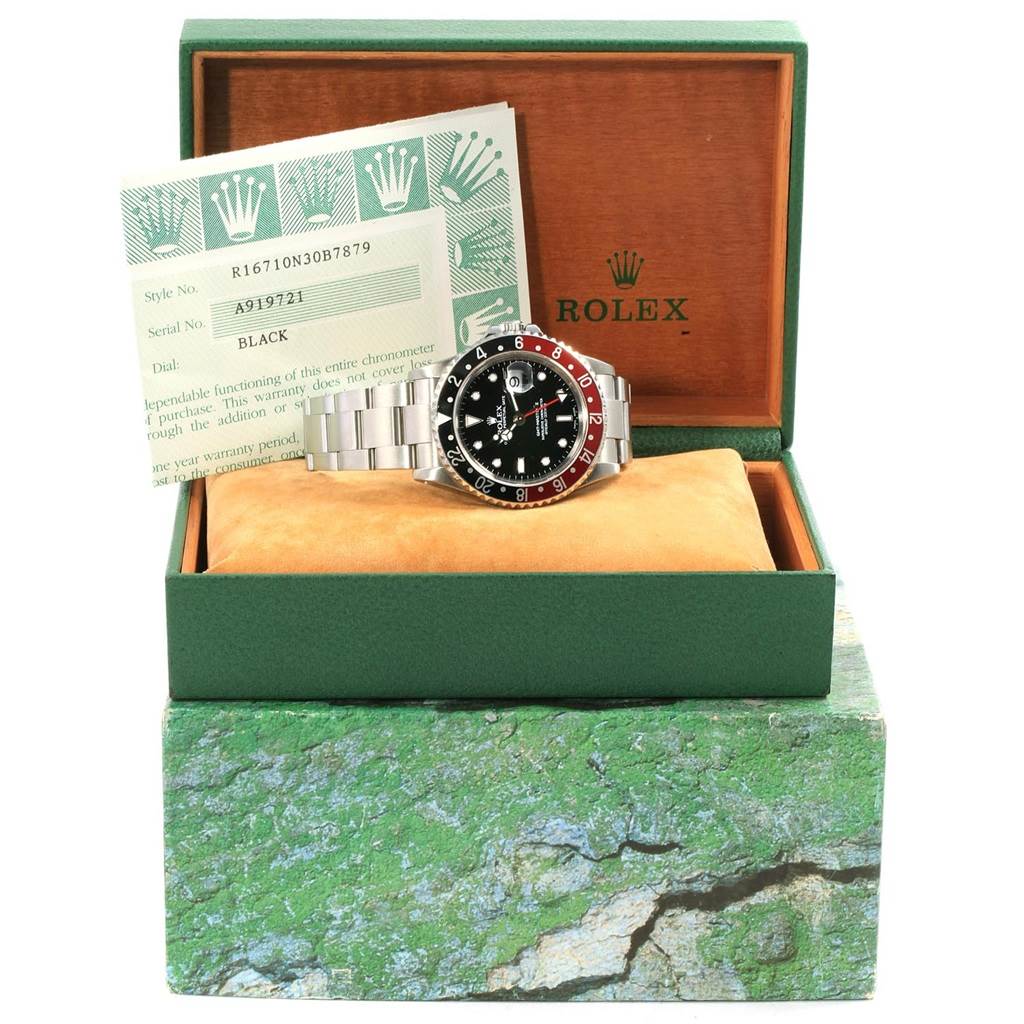
The two-tone ceramic bezels – often nicknamed “Pepsi” or “Batman” – have become design signatures in their own right. Even people who don’t follow watches closely tend to recognize them.
- Yacht-Master
The Yacht-Master is slightly harder to categorize. It shares DNA with the Submariner but shifts toward a more polished, lifestyle-oriented feel.
Introduced in the early 1990s, it was designed with nautical themes in mind, though it’s not strictly a professional tool watch in the same way as the Submariner. It’s more about versatility and materials, including platinum and Rolesium combinations.
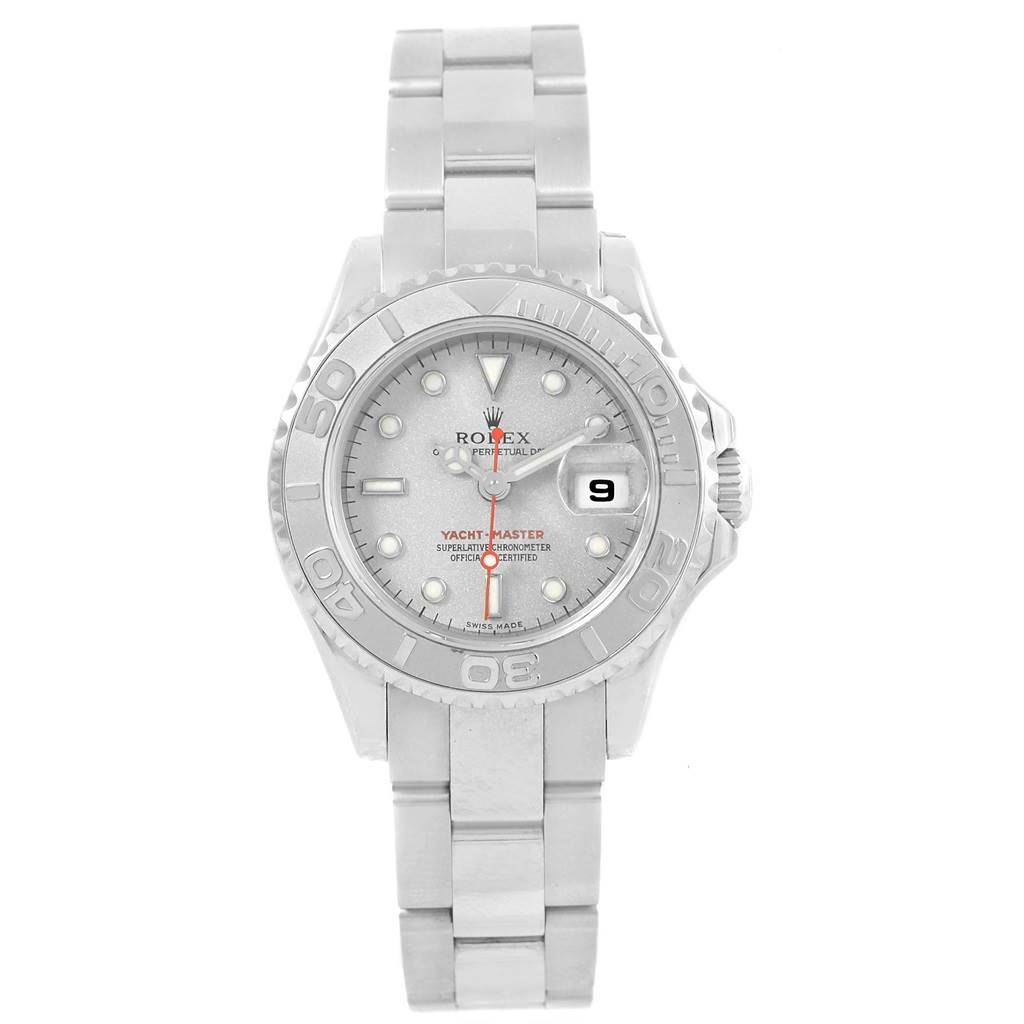
There’s also the Yacht-Master II, which is more specialized. It features a programmable countdown timer designed for yacht racing starts. It’s technically impressive, though not as broadly worn in everyday contexts.
- Explorer
The Explorer has a simpler personality.
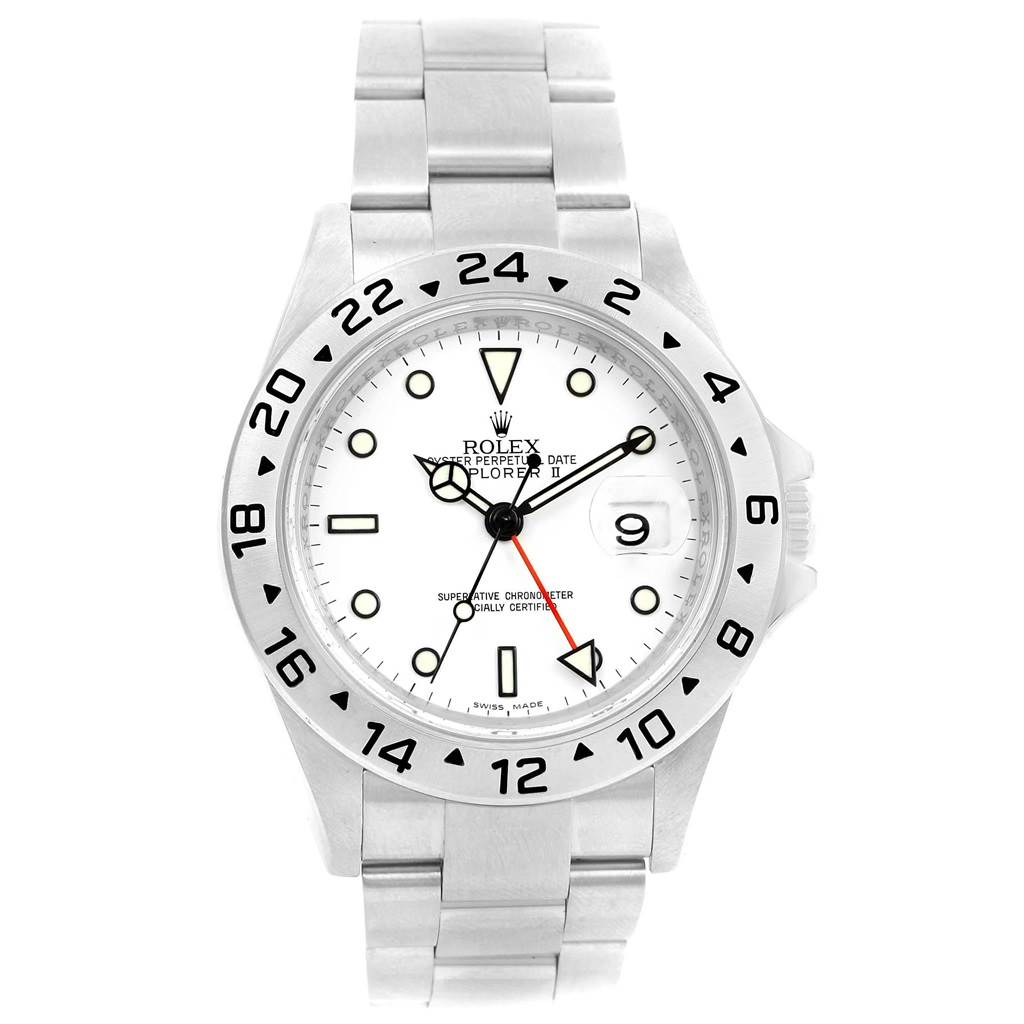
It traces its inspiration back to mountaineering expeditions, particularly the era around Everest exploration in the 1950s. The design reflects that purpose: high legibility, minimal distractions, and a focus on reliability.
The 3-6-9 dial layout is its defining feature. It’s not decorative – it’s functional readability in low-light conditions. That restraint is what makes the Explorer appealing to people who prefer understatement over presence.
- Sky-Dweller
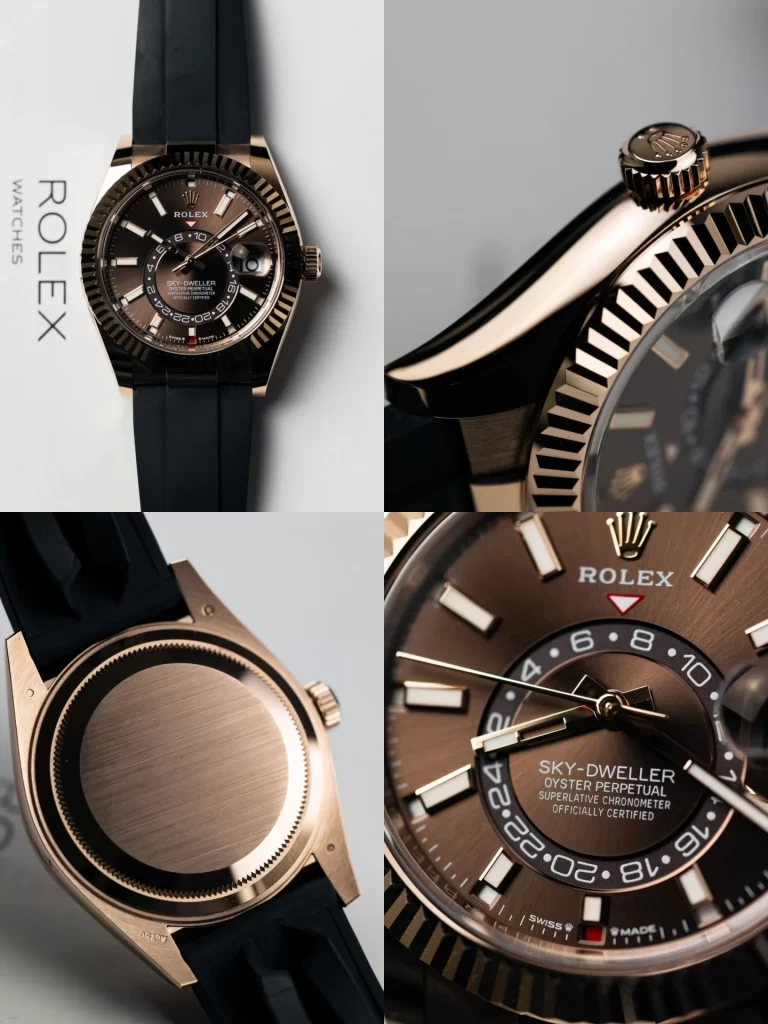
The Sky-Dweller is one of Rolex’s more complex modern watches, though it doesn’t look overly complicated at first glance.
It combines an annual calendar with a dual time zone display. The calendar automatically accounts for months with 30 or 31 days, meaning it only needs manual adjustment once a year.
The interaction system is also unusual for replica Rolex: the bezel itself acts as part of the setting mechanism. It’s a more mechanical, tactile way of interacting with complications compared to most luxury watches.
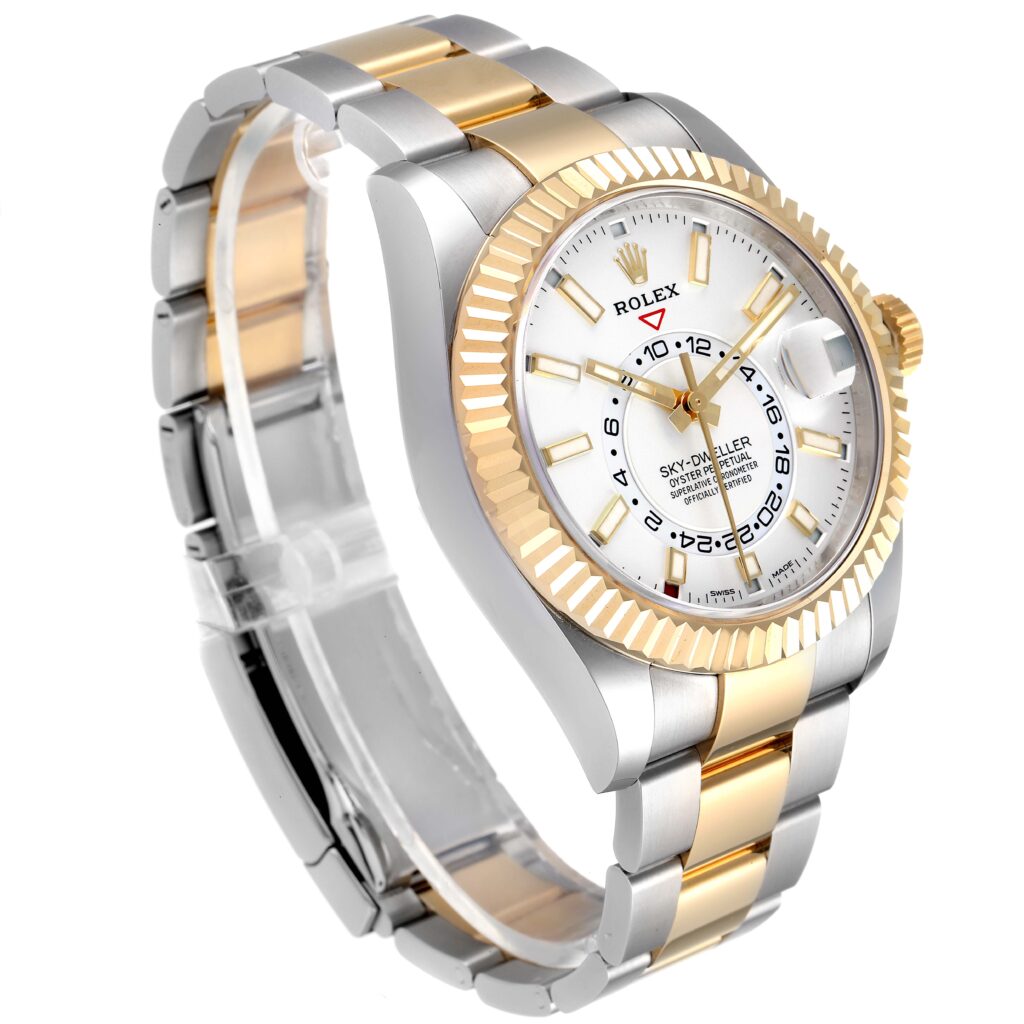
It’s aimed more at frequent travelers than casual wearers, though it has found a broader audience over time.
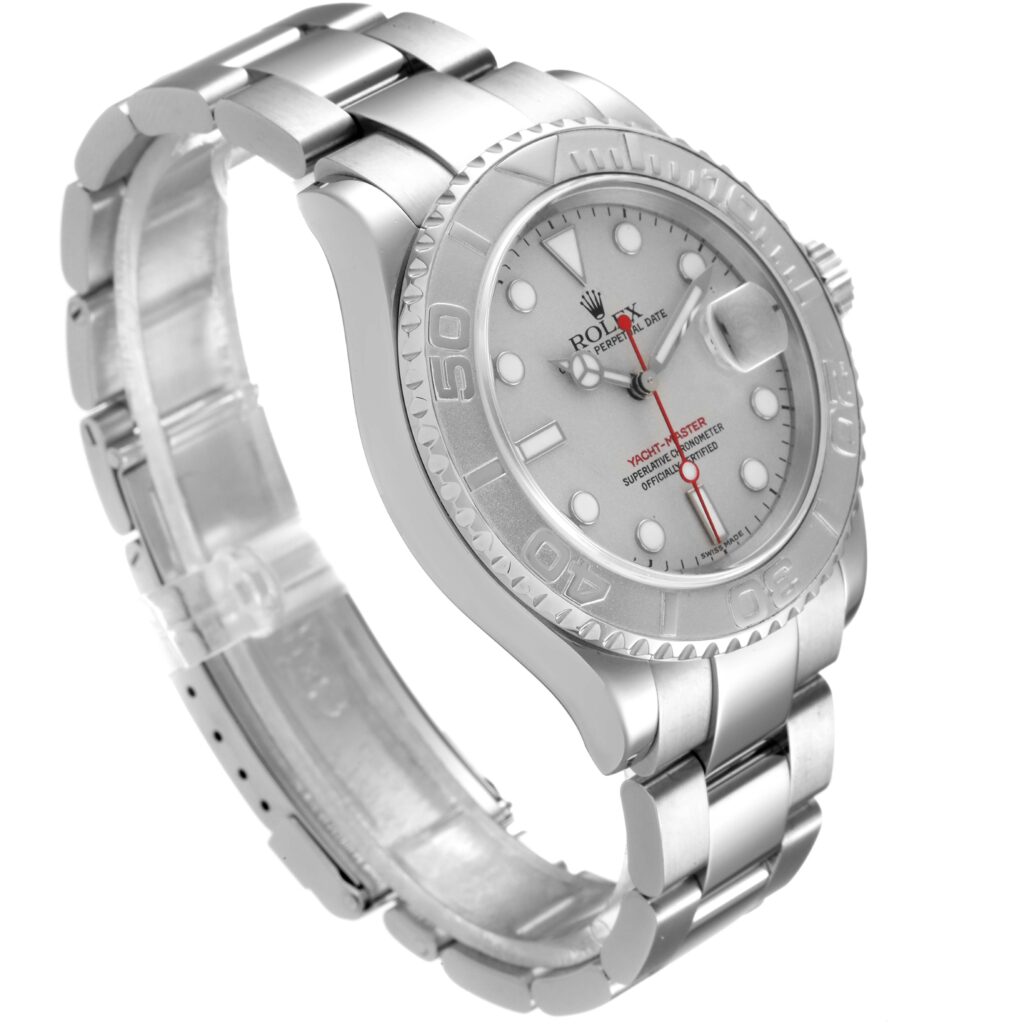
- Yacht-Master II
The Yacht-Master II takes the nautical theme further, focusing on a programmable regatta countdown.
It’s larger, more technical, and visually more complex than the standard Yacht-Master. The rotating bezel and mechanical memory countdown are designed for racing starts, where timing precision matters in short bursts.
It’s not the most understated Rolex, but that’s not really its goal.
- Milgauss
The Milgauss was created for scientists and engineers working around strong magnetic fields. The name comes from “mille” (thousand) and “gauss,” a unit of magnetic flux density.
Its standout feature is anti-magnetic protection, achieved through internal shielding that protects the movement.
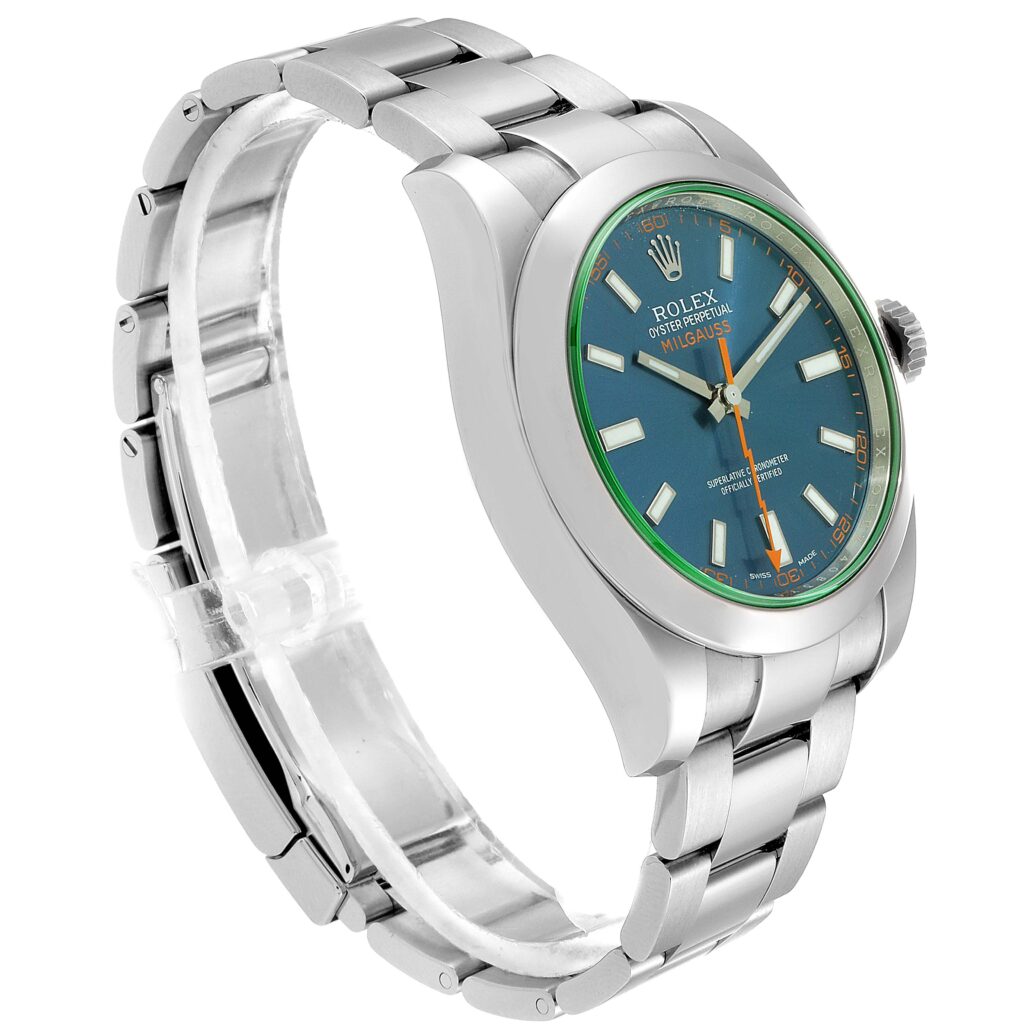
It also has a slightly unusual design for Rolex – most notably the lightning bolt seconds hand in some versions. It’s one of the more distinctive-looking models in the catalog, though it has always been somewhat niche.
- Datejust 31 (Women’s Segment)
The Datejust 31 represents the smaller-format expression of Rolex’s most classic design language.
It carries the same core identity as the larger Datejust models but is often configured with more decorative dials, gem-set bezels, and varied material combinations.
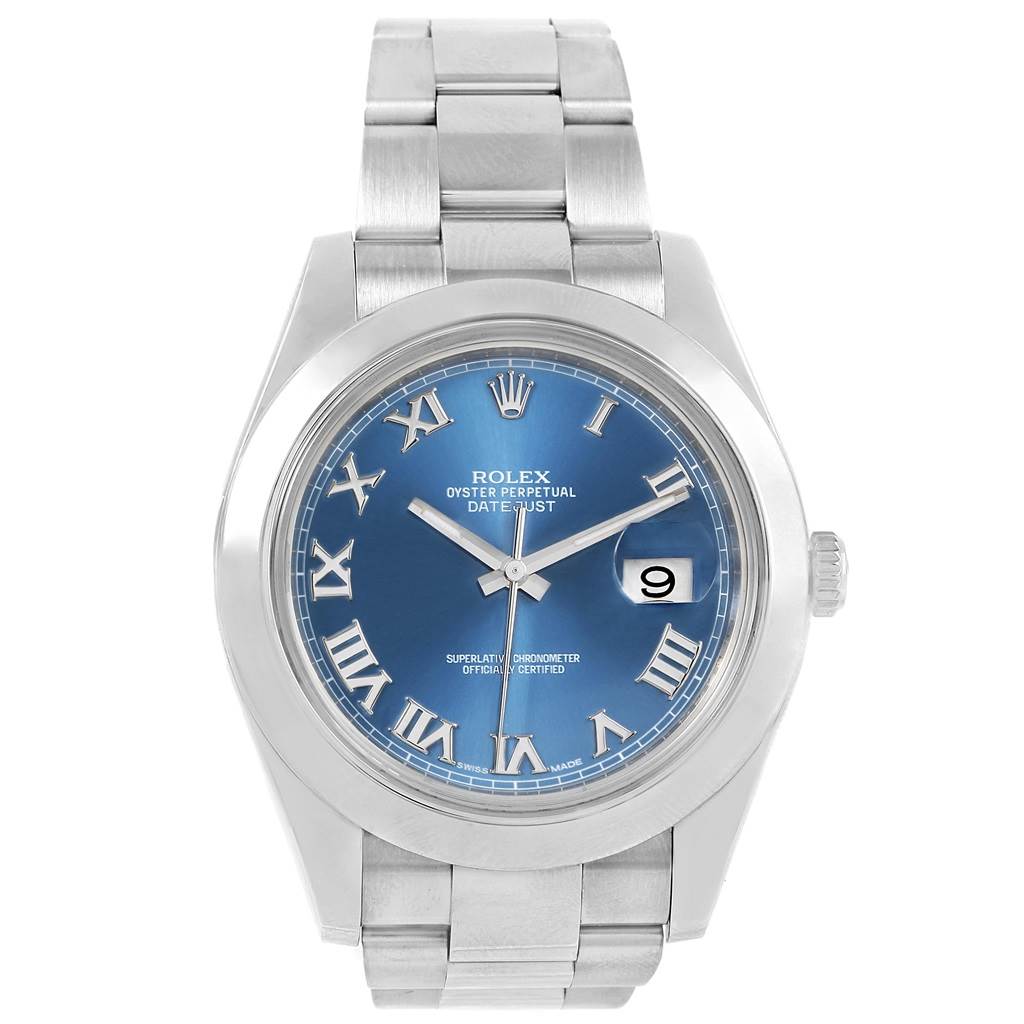
It’s widely chosen as an entry point into Rolex’s dress-oriented watches, particularly for those who prefer a more compact case size without sacrificing mechanical credibility.
Men’s vs Women’s Popular Choices
Among men, the Submariner, Daytona, and Datejust tend to dominate because they sit at different points of the same spectrum: tool functionality, performance chronograph, and everyday versatility.
For women, the Datejust line and Oyster Perpetual often stand out due to flexibility in size and design. The Day-Date also appears frequently, particularly in precious metals, where it leans more toward formal or statement use.
A Brief Note on Rolex’s Trajectory
Rolex started in 1905 under Hans Wilsdorf and Alfred Davis, initially in London before moving operations to Switzerland. The “Rolex” name itself was chosen for its simplicity and memorability rather than any linguistic meaning.
The Oyster case in 1926 marked a turning point in waterproof wristwatch design, and since then the brand has mostly refined rather than reinvented its core concepts.
That long arc of incremental improvement is part of why these models remain relevant. They don’t feel like products of a single era.
It’s easy to reduce Rolex to status or investment value, but that misses part of the picture. The reason these models stay popular is more subtle: they’re stable designs that still function exactly as intended decades later, while adapting just enough to stay current.